
Dust-Free and Enclosed Abrasive Blasting Machine for UK Industries
Industrial surface preparation is essential for maintaining the quality, durability, and performance of metal components. Industries such as automotive manufacturing, metal fabrication, construction, shipbuilding, aerospace, and engineering regularly need to remove rust, old paint, mill scale, and other surface contaminants before applying protective coatings. However, traditional abrasive blasting machines can generate airborne dust, create workplace hazards, and cause abrasive material to spread beyond the work area.
Recommended machines for this application
Indicative prices for commercial evaluation — request a firm quote for your duty cycle.

Abrasive Blasting Machine
Abrasive Blasting Machine
Versatile Abrasive Blasting Machine delivers powerful surface cleaning, rust removal, and…
Abrasive Blasting Machine
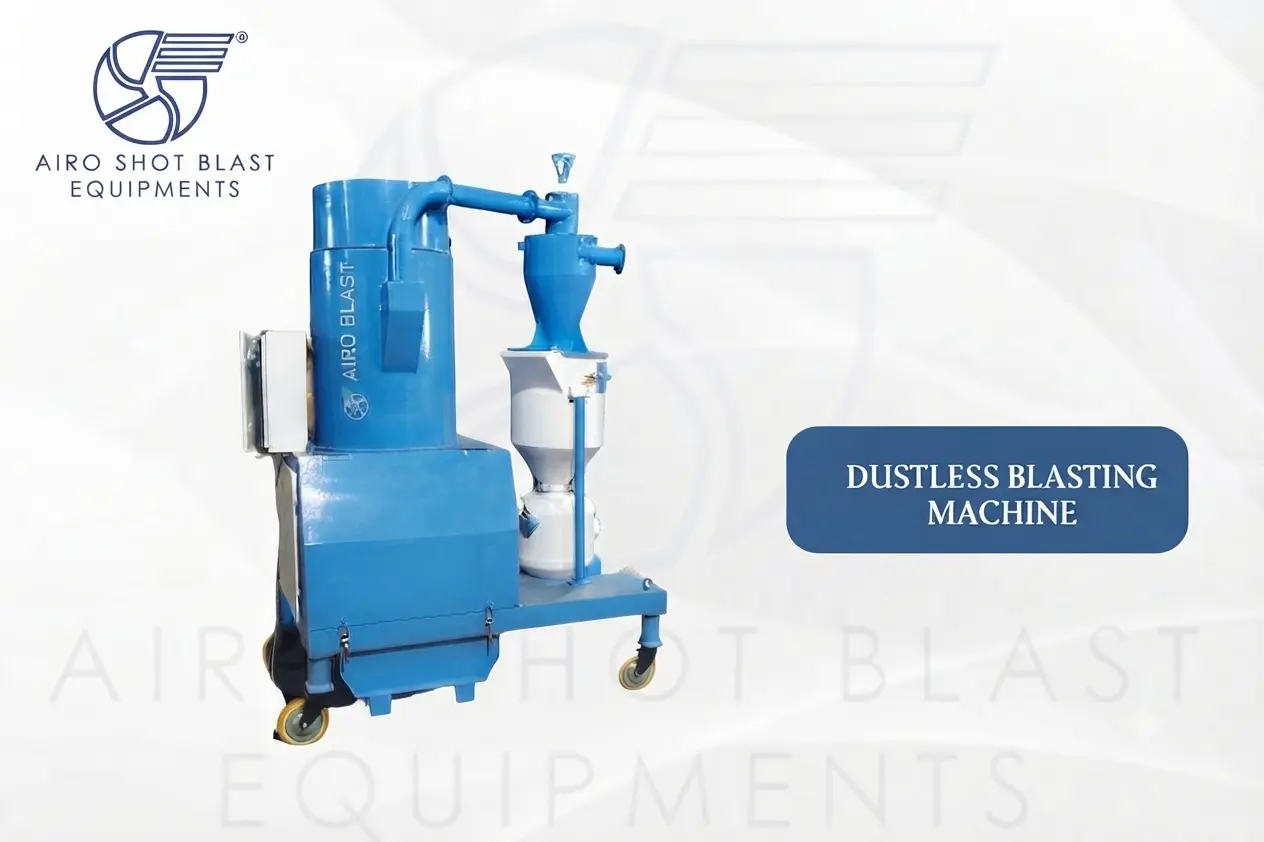
Dustless Blasting Machine
Eco-friendly Dustless Blasting Machine offers clean, dust-free rust removal and paint str…
Abrasive Blasting Machine
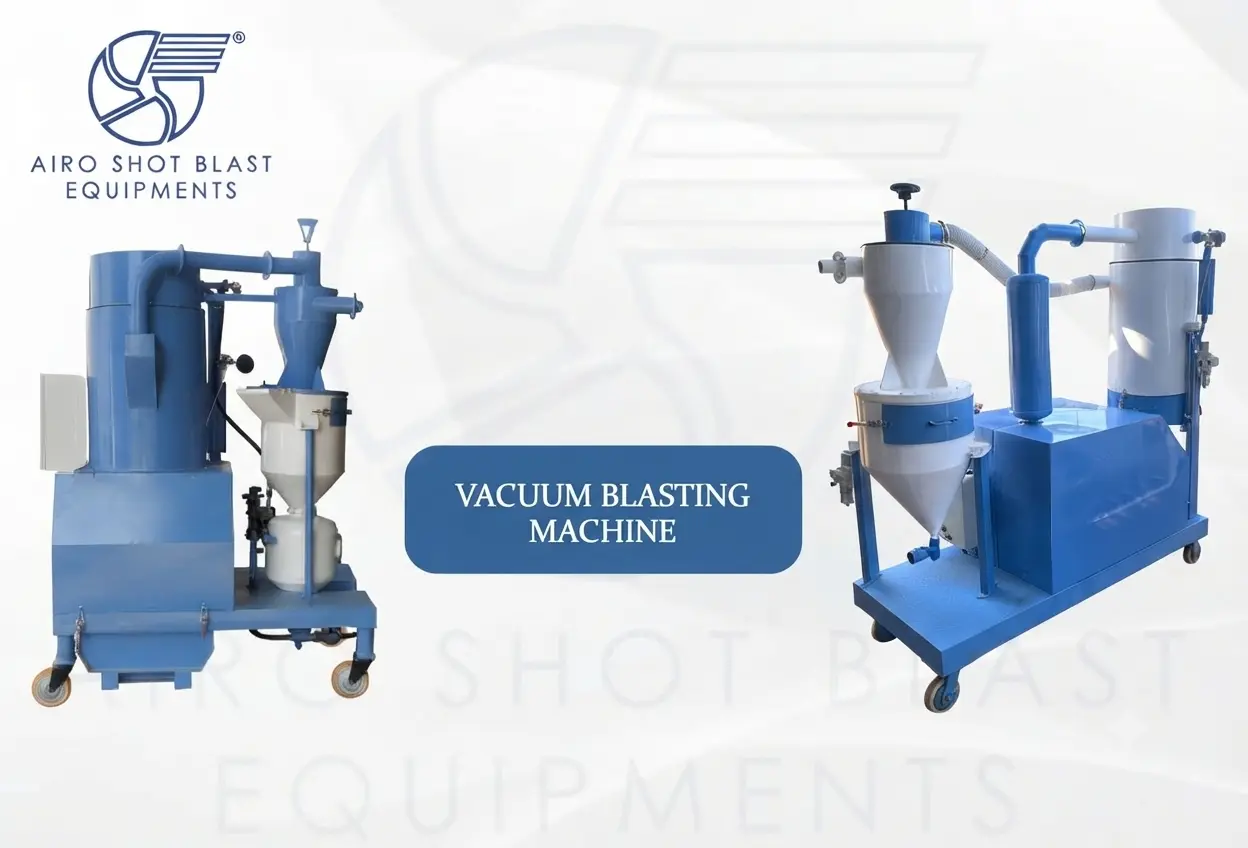
Vacuum Blasting Machine
A vacuum blasting machine cleans a surface with abrasive media while simultaneously vacuu…
Compare & price
Choose a machine that fits your job
Review models below, check indicative prices, then request a quote for your component, material, and capacity.
This is why dust-free and enclosed abrasive blasting solutions are becoming increasingly important for UK industries. Modern blasting systems combine enclosed workspaces, effective dust collector, abrasive recovery, and controlled operating processes to create cleaner and more efficient working environments.
For manufacturers and industrial contractors in the United Kingdom, investing in suitable dust-controlled blasting equipment can improve workplace conditions, support consistent surface preparation, and reduce material waste.
What Are Dust-Free and Enclosed Abrasive Blasting Solutions?
Dust-free abrasive blasting refers to surface preparation systems designed to minimise the release of airborne dust during blasting. These systems use suitable abrasive media, containment arrangements, ventilation, and dust collection equipment to control contaminants.
An enclosed abrasive blasting system operates within a cabinet, blast room system, or specialised chamber. The enclosure helps contain abrasive particles and surface debris, while extraction equipment removes airborne dust.
Common types of enclosed blasting solutions include:
- Enclosed sand blasting cabinets
- Industrial abrasive blasting rooms
- Automatic blasting machines
- Wet abrasive blasting systems
- Vacuum-assisted blasting equipment
- Closed-loop abrasive recovery systems
- Industrial dust collection units
It is important to understand that no abrasive blasting process should automatically be considered completely dust-free. The actual level of dust control depends on the sand blasting machine design, abrasive material, workpiece condition, extraction performance, and maintenance.
Why UK Industries Need Dust-Controlled Blasting Equipment
UK manufacturers must consider worker protection, production efficiency, environmental controls, and product quality when selecting industrial blasting equipment.
Uncontrolled abrasive blasting can create airborne particles that affect workers and contaminate nearby machinery or production areas. Dust can also reduce visibility and increase cleaning requirements.
Enclosed abrasive blasting equipment helps address these challenges in several ways.
- Improved workplace cleanliness: Enclosures and dust collectors help prevent abrasive debris from spreading across the factory.
- Better operator protection: Properly designed systems can reduce exposure to airborne contaminants when combined with appropriate respiratory protection and workplace controls.
- Reduced abrasive waste: Recovery systems collect reusable abrasive media, helping control material consumption.
- Consistent surface preparation: Controlled blasting conditions can support repeatable cleaning and finishing results.
- Reduced cleaning requirements: Containing the blasting process can make workshop housekeeping easier.
Major Types of Dust-Free and Enclosed Blasting Systems
Industrial Sand Blasting Cabinet
A sand blasting cabinet is a compact enclosed system designed for cleaning smaller components. Operators handle parts through built-in gloves while viewing the blasting operation through a protective window.
These machines are suitable for automotive workshops, engineering facilities, metal finishing units, and manufacturing businesses that process small batches.
Industrial Abrasive Blasting Room
A blasting room is designed for large components such as structural steel sections, fabricated frames, tanks, and heavy machinery parts.
A typical installation may include:
- Enclosed blasting area
- Ventilation and dust extraction
- Abrasive recovery equipment
- Filtration units
- Suitable lighting
- Operator safety equipment
Abrasive blasting rooms are particularly useful for UK steel fabrication companies and industrial maintenance contractors.
Wet Abrasive Blasting Machine
Wet blasting combines water with abrasive media to help suppress dust during surface preparation. A wet blasting machine can be suitable for selected cleaning applications where water exposure is acceptable.
However, wet blasting requires proper management of wastewater, corrosion risks, drying, and disposal of contaminated residues.
Vacuum Blasting Equipment
Vacuum blasting systems use a specialised blasting head and suction arrangement to collect spent abrasive and surface debris close to the point of impact.
These systems are useful for selected maintenance and surface preparation tasks where local containment is important.
Automatic Enclosed Blasting Machine
Automatic blasting systems are designed for repetitive manufacturing operations. Components may move through a conveyor, rotating table, or enclosed chamber while blasting takes place.
These systems can improve production consistency and reduce manual handling in suitable high-volume applications.
Applications Across UK Industrial Sectors
Dust-controlled abrasive blasting solutions are useful across a wide range of British industries.
- Metal fabrication: Enclosed blasting rooms prepare steel beams, plates, frames, and fabricated structures before painting or protective coating.
- Automotive manufacturing: Blasting cabinets and automatic systems clean compatible metal components, tooling, brackets, and selected vehicle parts.
- Aerospace engineering: Carefully controlled blasting processes can prepare approved components and tooling where the material and surface specification permit abrasive treatment.
- Shipbuilding and marine maintenance: Enclosed and contained blasting systems help remove corrosion and deteriorated coatings from suitable marine components.
- Construction and infrastructure: Portable vacuum blasting and contained systems can support maintenance work on bridges, steel structures, and industrial facilities.
- Oil, gas, and energy: Blasting equipment is used to prepare pipes, tanks, valves, and fabricated equipment for protective coating applications.
Important Features to Consider When Buying Enclosed Blasting Equipment in the UK
Choosing the right industrial abrasive blasting machine requires an understanding of your production requirements and workplace conditions.
Consider these important features:
- Enclosure design: Check that the cabinet or blasting room is suitable for the dimensions and weight of your components.
- Dust extraction capacity: Evaluate airflow, filtration efficiency, filter maintenance, and the type of dust generated.
- Abrasive recovery: A recovery system can help reduce abrasive consumption and simplify housekeeping.
- Blasting performance: Check operating pressure, air consumption, sand blasting nozzle size, and production capacity.
- Abrasive compatibility: Confirm which abrasive media are suitable for the machine and the required surface finish.
- Operator safety: Look for suitable controls, protective equipment, visibility, ventilation, and safe access.
- Maintenance requirements: Consider replacement filters, hoses, nozzles, valves, seals, and technical support.
- Energy efficiency: Review compressed-air requirements, extraction power, and expected operating costs.
A machine should be selected according to the actual application rather than price alone.
Abrasive Media Selection and Dust Control
Abrasive media influences cleaning performance, surface profile, waste generation, and dust characteristics.
Common industrial blasting abrasives include garnet, aluminum oxide, steel grit, steel shot, glass beads, and suitable crushed-glass products.
The correct choice depends on the base material, contamination, required finish, and equipment configuration. Metallic abrasives are often used in mechanical shot blasting systems, while non-metallic media are common in compressed-air blasting applications.
Ordinary silica sand should not be treated as a safe default abrasive. Respirable crystalline silica can cause serious lung disease. UK employers should assess exposure risks and follow applicable Control of Substances Hazardous to Health (COSHH) requirements and relevant Health and Safety Executive (HSE) guidance.
UK Workplace Safety and Environmental Considerations
Dust-controlled blasting equipment is an important part of workplace risk management, but installing an enclosure alone does not guarantee a safe operation.
UK businesses should consider:
- COSHH risk assessments and exposure controls
- Suitable respiratory protective equipment
- Appropriate ventilation and dust filtration
- Hearing protection and protective clothing
- Safe handling and storage of abrasive media
- Regular inspection of extraction systems
- Proper collection and disposal of contaminated waste
- Operator training and equipment maintenance
Employers should also consider applicable environmental and waste-management requirements. Used abrasive may contain paint residues, rust, or other contaminants, so it should be assessed before reuse or disposal.
Benefits of Investing in Modern Enclosed Blasting Technology
Modern enclosed abrasive blasting equipment can help UK industries improve both productivity and working conditions.
By containing blasting operations, businesses can reduce the spread of dust and abrasive debris. Abrasive recovery can reduce material waste, while automatic systems can support repetitive production requirements.
For companies working with valuable components or strict finishing specifications, controlled blasting conditions can also improve process consistency.
The best solution will depend on the type of material, production volume, available factory space, safety assessment, and coating requirements.
Conclusion
Dust-free and enclosed abrasive blasting solutions offer UK industries a practical way to improve surface preparation while controlling dust and abrasive debris. From compact sand blasting cabinets to large industrial blast rooms and automatic blasting machine, different solutions are available for manufacturing, fabrication, automotive, marine, and engineering applications.
By choosing suitable equipment, abrasive media, dust extraction, and recovery systems, businesses can improve operational efficiency and support safer working conditions. Careful equipment selection, regular maintenance, and compliance with UK workplace safety requirements are essential for achieving reliable long-term results.
Related products available now
Explore related equipment — view specs or request buying price and delivery.

Abrasive Blasting Cabinet
Benchtop Sand Blasting Cabinet
Benchtop sand cabinet offers compact, high-efficiency surface etching, cleaning, and part…
Abrasive Blasting Cabinet
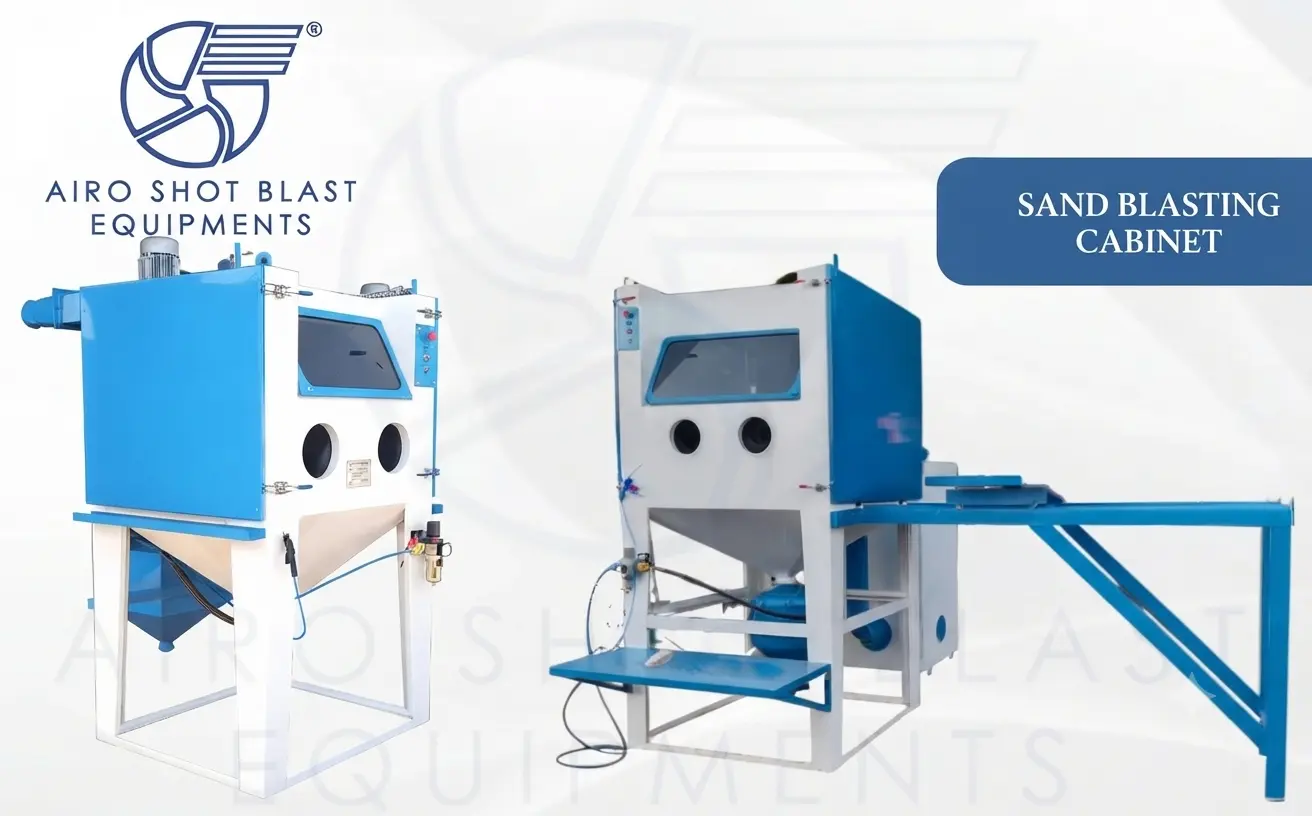
Sand Blasting Cabinet Price
The sand blasting cabinet features an extended side platform for handling longer, larger …

Abrasive Blasting Machine
Granite Engraving Machine
Granite Engraving Machine delivers precise, high-speed carving, etching, and surface text…
Buy / get a quote
Ready to order or need a firm price?
Share your application and quantity — we will confirm specs, delivery timeline, and commercial pricing from Jodhpur.