
How to Choose the Best Sand Blasting Machine in the USA
Industrial surface preparation is an essential part of manufacturing, metal fabrication, automotive production, construction, shipbuilding, and equipment maintenance. Before metal components receive paint, powder coating, or protective finishes, they often need to be cleaned to remove rust, mill scale, grease, and old coatings. An industrial sand blasting machine provides an effective solution by using compressed air or mechanical force to propel abrasive media against a surface.
Recommended machines for this application
Indicative prices for commercial evaluation — request a firm quote for your duty cycle.

Abrasive Blasting Machine
Shot Blasting Machine in India
Industrial shot blasting machine cleans bulk components with radial-wheel abrasive propul…

Abrasive Blasting Machine
Abrasive Blasting Machine
Versatile Abrasive Blasting Machine delivers powerful surface cleaning, rust removal, and…
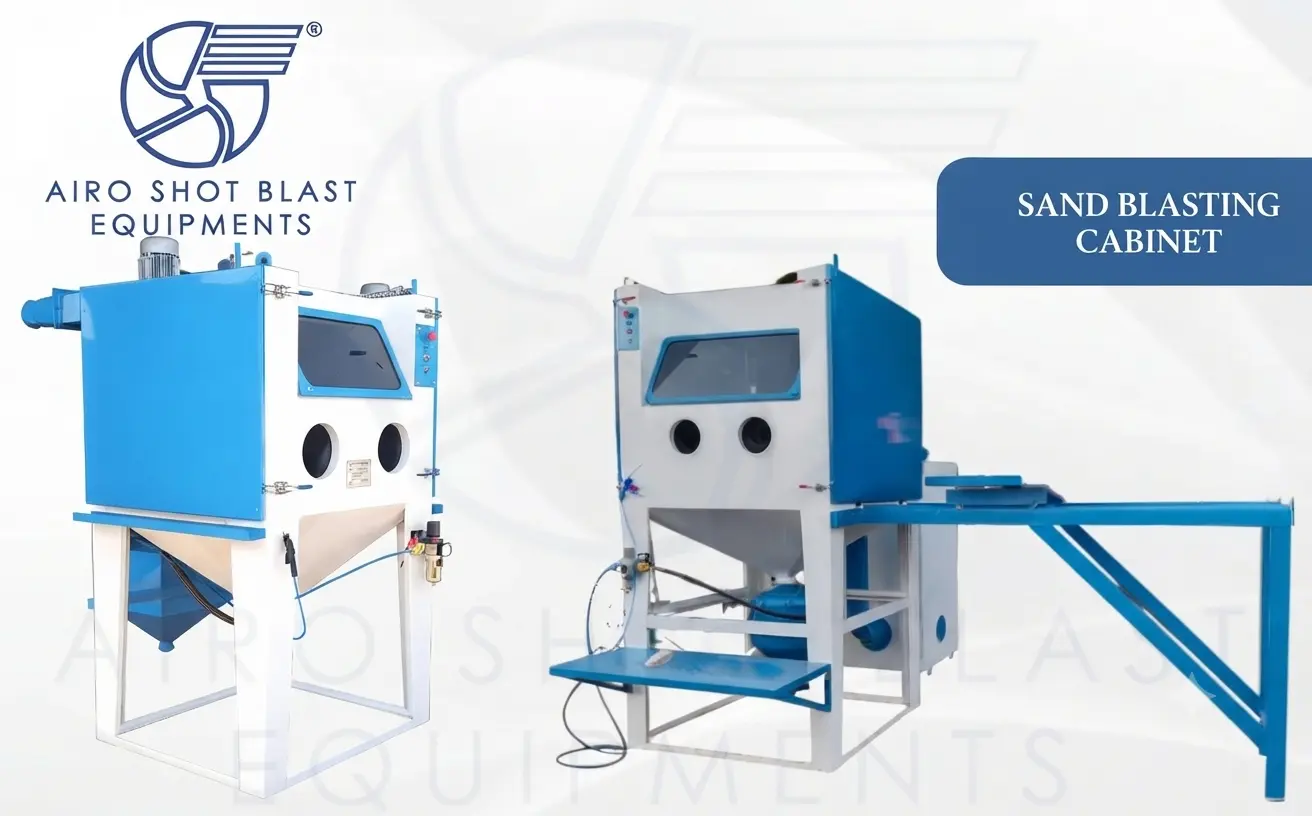
Abrasive Blasting Cabinet
Sand Blasting Cabinet Price
The sand blasting cabinet features an extended side platform for handling longer, larger …
Compare & price
Choose a machine that fits your job
Review models below, check indicative prices, then request a quote for your component, material, and capacity.
For businesses in the United States, choosing the right sand blasting machine can improve production efficiency, surface quality, and long-term equipment performance. However, different industries have different requirements. A small fabrication workshop may need a portable sand blasting machine, while a large manufacturing facility may benefit from an automatic blasting system or industrial blast room.
This guide explains how to choose the best industrial sand blasting machine in the USA and what factors to consider before investing.
Understand Your Industrial Blasting Requirements
The first step is to identify the purpose of the machine. Industrial sand blasting equipment is used for several applications, including:
- Rust and corrosion removal from metal surfaces
- Paint stripping from machinery and steel structures
- Mill scale removal from fabricated steel
- Surface preparation before industrial painting
- Cleaning metal castings and automotive components
- Removing contaminants from industrial equipment
- Creating a suitable surface profile for protective coatings
Your application determines the required machine type, abrasive material, operating pressure, and production capacity. For example, heavy steel fabrication requires different blasting equipment from precision component cleaning.
Clearly defining your production requirements helps prevent purchasing a machine that is either too small for the job or unnecessarily expensive.
Choose the Right Type of Sand Blasting Machine
Different industrial applications require different blasting systems. Understanding the available options makes it easier to select suitable equipment.
Portable Sand Blasting Machine
A portable sand blasting machine is designed for mobility and on-site surface preparation. It is commonly used for cleaning storage tanks, pipelines, construction equipment, bridges, steel structures, and large fabricated components.
It is a practical choice for contractors and maintenance teams that need to move equipment between job sites.
Pressure Sand Blasting Machine
A pressure blasting machine uses a pressurised abrasive vessel to propel media through a blasting hose and nozzle. It is often selected for demanding industrial cleaning and surface preparation applications where productivity is important.
Suction Sand Blasting Machine
A suction blasting machine uses compressed air to draw abrasive media into the blasting stream. It is generally suitable for lighter cleaning tasks, smaller components, and applications where a controlled blasting process is preferred.
Cabinet Sand Blasting Machine
A sand blasting cabinet provides an enclosed environment for cleaning smaller components. Operators work through built-in gloves, helping contain abrasive media and reduce workplace contamination when the cabinet is properly maintained.
It is commonly used in workshops, automotive repair facilities, and manufacturing units.
Automatic Sand Blasting Machine
Automatic blasting machines are designed for repetitive production operations. Depending on the system, components may pass through a conveyor, rotating table, or specialised blasting chamber.
These systems can improve processing consistency and reduce manual handling in high-volume manufacturing environments.
Industrial Shot Blasting Machine
Shot blasting machines generally use metallic abrasive media, such as steel shot or grit, and are commonly used for cleaning, descaling, and preparing metal components. They are widely used in foundries, fabrication plants, and heavy engineering facilities.
Select the Correct Abrasive Blasting Media
Abrasive selection has a major impact on cleaning performance, surface finish, and operating costs. The best media depends on the base material, contamination, required surface profile, and blasting equipment.
Common abrasive materials include:
- Aluminum oxide: Suitable for many metal cleaning and surface preparation applications.
- Steel grit: Used for aggressive cleaning and surface preparation of durable steel components.
- Steel shot: Often used in wheel-blast systems for cleaning and peening applications.
- Glass beads: Suitable for certain applications requiring a smoother, more uniform finish.
- Garnet: Used in various industrial and surface preparation applications.
- Crushed glass: A non-metallic abrasive option for selected cleaning applications.
Ordinary silica sand should not be assumed suitable for abrasive blasting. Respirable crystalline silica can cause serious occupational health problems. US employers should follow applicable OSHA requirements and use appropriate alternative abrasives and exposure controls.
Check Air Compressor Capacity and Operating Pressure
An industrial sand blasting machine needs a suitable compressed air supply to operate efficiently. Before purchasing equipment, check the machine's air consumption and required operating pressure.
Important specifications include:
- Required pressure, measured in PSI
- Air consumption, measured in CFM
- Air compressor output capacity
- Nozzle size and type
- Blast hose diameter and length
- Number of operators using the system
The compressor must supply enough air at the required pressure while the blasting operation is running. An undersized compressor can reduce blasting performance, increase processing time, and create inconsistent results.
Always compare the machine manufacturer's specifications with your available compressor capacity.
Evaluate Machine Quality and Construction
Industrial blasting equipment is exposed to abrasive wear, pressure, and demanding working conditions. A machine should be manufactured using durable materials and quality components.
Before buying, inspect:
- Abrasive storage vessel construction
- Pressure gauges and control valves
- Abrasive metering system
- Blast hose quality
- Sand blasting nozzle material and durability
- Moisture separator and air filtration
- Deadman control system
- Seals, fittings, and pressure-rated connections
A well-designed sand blasting machine can help reduce downtime and maintenance expenses over its working life.
Consider Safety and OSHA Compliance
Workplace safety should be a priority when selecting industrial sand blasting equipment in the USA. Abrasive blasting can create airborne dust, noise, and other hazards.
Look for suitable safety and dust-control provisions, including:
- Appropriate blasting helmets and respiratory protection
- Protective clothing, gloves, and hearing protection
- Deadman controls that stop blasting when released
- Effective ventilation and dust collection
- Suitable blast room system or enclosed cabinets
- Safe abrasive storage and handling procedures
Employers should assess exposure risks and comply with applicable OSHA standards, including requirements relevant to respiratory protection, personal protective equipment, and abrasive blasting operations. Equipment selection alone does not establish compliance; workplace procedures, training, and exposure controls are also necessary.
Compare Production Capacity and Operating Costs
The best industrial sand blasting machine is not necessarily the most expensive or the largest. It is the one that meets your production requirements at a sustainable operating cost.
Consider the following expenses:
- Initial machine purchase price
- Compressor electricity and maintenance
- Abrasive media consumption
- Replacement nozzles and hoses
- Dust collector filters
- Operator training and protective equipment
- Routine servicing and spare parts
For high-volume production, an automatic blasting system may justify a higher initial investment through improved throughput and reduced manual handling. Smaller operations may find portable or cabinet blasting equipment more economical.
Check Spare Parts and After-Sales Support in the USA
Reliable after-sales service is an important factor when buying industrial sand blasting equipment. Delays in obtaining replacement components can interrupt production.
Before finalising a purchase, ask the supplier about:
- Availability of blasting nozzles and hoses
- Replacement valves and seals
- Technical support and troubleshooting
- Maintenance instructions
- Warranty coverage
- Delivery timelines for sand blasting machine spare parts
- Operator training and installation assistance
A supplier that offers dependable technical support can help maintain equipment performance and reduce unexpected downtime.
Choose a Machine That Matches Your Industry
Different sectors have different blasting requirements.
- Automotive industry: Cleaning automotive parts, frames, and selected metal components.
- Metal fabrication: Removing mill scale, rust, and surface contaminants from steel.
- Construction: Preparing structural steel and large metal structures.
- Shipbuilding: Removing corrosion and old coatings from suitable marine components.
- Oil and gas: Preparing pipes, tanks, valves, and fabricated equipment.
- Foundries: Cleaning castings and metal components using appropriate blasting systems.
Matching the machine to the application helps achieve the required finish without unnecessary processing or abrasive consumption.
Conclusion
Choosing the best industrial sand blasting machine in the USA requires careful consideration of application requirements, machine type, abrasive media, air compressor capacity, construction quality, safety, and long-term operating costs.
Whether you operate a metal fabrication workshop, automotive manufacturing facility, shipyard, foundry, or industrial maintenance business, the right blasting equipment can improve surface preparation and support consistent finishing results.
Before purchasing, compare different industrial sand blasting machines and select a system that meets your production needs, workplace safety requirements, and maintenance expectations. A well-matched machine is a valuable investment in manufacturing efficiency and product quality.
Related products available now
Explore related equipment — view specs or request buying price and delivery.

Abrasive Blasting Machine
Granite Engraving Machine
Granite Engraving Machine delivers precise, high-speed carving, etching, and surface text…

Abrasive Blasting Machine
Grit Blasting Machine
Buy industrial Grit Blasting Machines directly from Airo Shot Blast, Jodhpur. Designed fo…

Abrasive Blasting Cabinet
Benchtop Sand Blasting Cabinet
Benchtop sand cabinet offers compact, high-efficiency surface etching, cleaning, and part…
Buy / get a quote
Ready to order or need a firm price?
Share your application and quantity — we will confirm specs, delivery timeline, and commercial pricing from Jodhpur.