
Etching Abrasive Blasting Machine: The Complete Guide to Glass Etching
There’s something quietly satisfying about a piece of glass that’s been etched just right a monogram on a wine glass, a company logo on a trophy, a frosted pattern climbing up a shower door. An etching abrasive blasting machine is the tool behind that effect, and it’s one of the most rewarding ways to add style to glassware, windows, or almost anything made of glass.
That said, the process isn’t entirely forgiving. Get the technique wrong and you’ll end up with blurry edges, patchy texture, or a design that simply doesn’t read the way you intended. Glass is unforgiving of rushed steps and inconsistent pressure. But with the right planning, the right tools, a well set up abrasive blasting room, and a bit of care, achieving a beautifully etched glass texture on almost any piece is well within reach whether you’re doing it as a hobby or scaling it into a business.
What Etched Glass Actually Looks Like
The texture created on glass by a blasting machine is commonly called frosted glass it has that same soft, translucent quality you’d see on a car windshield on a frosty morning. But where nature uses condensation to create that look, abrasive glass etching gets there through a completely different mechanism: the abrasive media striking the surface at high velocity, roughening it just enough to scatter light and create that signature frosted appearance.
The effect is permanent, and it works whether you want something subtle and decorative or bold and highly visible.
Choosing Your Glass
Before you even think about masks or abrasives, it helps to know what you’re actually etching. Some people gravitate toward drinking glasses tumblers, wine glasses, mugs as their go to project. Others prefer working with different forms of glassware entirely vases, ornaments, mirrors, or architectural panels. There’s really no wrong answer here; what you etch should be entirely about what you’re trying to create.
If you’re approaching glass etching commercially rather than as a hobby, this is also the point where it pays to think about your market. Are you making personalized gifts? Decorative home pieces? Corporate awards? The answer shapes everything from the glass you source to the designs you offer and if you’re exploring etching on materials beyond glass, it’s worth looking at options like a granite engraving machine as well.
The Mask: Your Most Important Tool
Once you’ve picked your glass, the next question is what actually goes onto it and more importantly, how you control where the abrasive hits and where it doesn’t. This is where masking, also called a resist, comes in.
Here’s the challenge: freehand blasting a clean design, phrase, or logo onto glass takes real skill. There are talented people out there who can do it without any guide at all, but for the rest of us, some form of protection over the glass is essential to get sharp, professional looking results.
Protection Options and Techniques
There are a few common ways to mask glass before etching:
- Painter’s tape: simple, cheap, and fine for basic shapes or one-off pieces
- Paper stencils: another low cost option, though less durable under sustained blasting
- Sandblasting stencils: a popular choice for detailed work, since they hold up well under repeated blasting
- UV light-sensitive adhesive material: the most reliable method for transferring detailed images or text onto glass
The UV method deserves a closer look, since it’s what most serious etchers rely on. The process works like this: you print your design onto paper, then roll it onto a special material that’s sensitive to UV light. Next, you expose both the UV material and the paper to a UV light source. After a few minutes of exposure, the UV light hardens the area that’s meant to be etched, while the rest of the material stays soft.
When you begin blasting, the hardened section is what gets removed first and once it’s blasted away, your abrasive blasting machine material makes direct contact with the glass underneath. That’s the moment the actual etching happens. The soft, unexposed material stays in place, protecting everything around your design and keeping the edges crisp.
Choosing the Right Machine for Glass Etching
Not every etching project calls for the same setup:
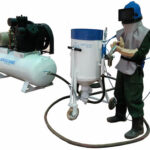
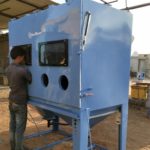
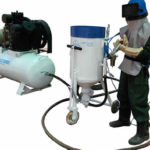
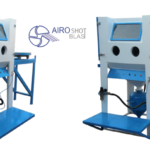
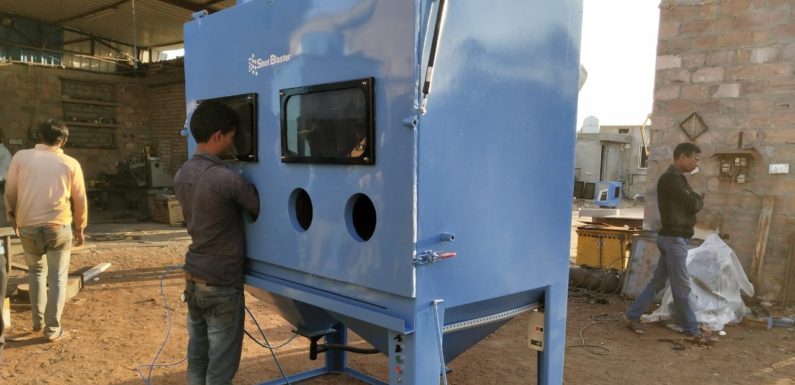
- Benchtop sand blasting cabinet: the most practical starting point for smaller items like drinking glasses, ornaments, and small panels. Compact, easy to operate, and well suited to hobbyists or small studios working on one piece at a time.
- Large blast cabinet: gives you the room to work with sizable glass panels or batch multiple pieces in a single session, ideal for bigger jobs or higher volumes.
Delicate or thin glass beads price in india in particular benefits from equipment that lets you control pressure carefully; a vacuum blasting machine is a good example of a setup designed for exactly that kind of low-pressure, controlled work.
Abrasives for Glass Etching
The abrasive media you choose has a real effect on how your etched texture turns out:
Aluminum Oxide The most commonly used abrasive for glass etching, and for good reason. It’s hard, durable, and reusable across multiple sessions without breaking down quickly a cost effective choice whether you’re doing occasional hobby work or running a steady production line. It produces a clean, even frost that works well for most everyday designs, from simple monograms to detailed logos.
Silicon Carbide Sharper and more aggressive than aluminum oxide, silicon carbide cuts faster and gives a deeper, more defined texture. It’s often the go to choice specifically for etching stones and engraving glass, since its hardness lets it cut a bolder texture in less time a strong pick for harder or thicker glass, or when you want a heavier, more pronounced etch.
Grit size matters just as much as the type of abrasive. Finer grits produce a smoother, more delicate frost ideal for detailed artwork or lettering while coarser grits work faster and suit bolder, simpler designs. Most etchers keep both abrasives on hand aluminum oxide for delicate, everyday pieces, and silicon carbide for jobs that need a heavier hand.
Common Mistakes That Ruin an Etch
Even with the right tools, a few missteps can undo an otherwise good project:
- Blasting at too high a pressure for the thickness of the glass, which risks cracking or chipping
- Loose or poorly adhered masking, which lets abrasive sneak underneath and blur your edges
- Rushing the UV exposure step, resulting in an incompletely hardened mask
- Skipping a test run on scrap glass before committing to the final piece
Taking the time to test your setup on a spare piece of glass first is one of the simplest ways to avoid a ruined project.
Etching Abrasive Blasting Machine Manufacturer
Airo Shot Blasting is a manufacturer, supplier, and exporter of abrasive blasting machines and etching abrasive blasting machines along with all the components that go with them at competitive prices across India.
Whether you’re setting up a small studio for personalized glassware or building out a production line for commercial etching, our range covers everything from entry level benchtop sand blasting cabinet to fully custom systems. And if you’re exploring etching on other materials too, our guide to engraving abrasive blasting machines covers metal, wood, and stone in more detail.

Amazing write-up! Waiting for your another 🙂 We are the leading manufacturer of sand blasting machine, shot blasting machine, grit blasting machine, flame spray gun, & thermal spray gun at the best price in Industry.
Great share! I read this post, your post so nice and very informative thanks for sharing this post. We are also the supplier of sand blasting machine, shot blasting machine, sand blasting cabinet, sand blasting room, arc spray gun, & abrasives such as glass beads, aluminum oxide, copper slag, and many more. at an impressive price in India.