Abrasive Blasting Machine: Complete Guide
An abrasive blasting machine, commonly known as a sandblasting machine, is one of the most widely used pieces of equipment in the metal finishing, fabrication, and surface preparation industries. Whether you need to clean rusted metal, smooth a rough surface, roughen a smooth one, or completely strip old paint and coatings, an abrasive blasting machine gets the job done quickly and efficiently. In this guide, we cover everything you need to know about abrasive blasting machines what they are, how they work, their types, applications, and important safety tips.
What Is an Abrasive Blasting Machine?
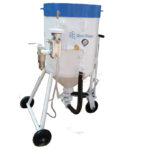
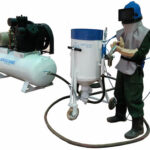
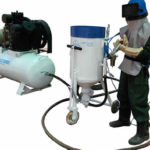
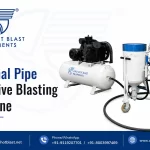
An abrasive blasting machine is a piece of industrial equipment designed to forcibly propel a stream of abrasive media against a surface under high pressure. This process is used to smooth rough surfaces, roughen smooth surfaces, shape a surface, or remove contaminants such as rust, paint, scale, or dirt. A widely used example of this equipment is the Airo Shot Blast portable sandblasting machine, trusted across industries for fast and reliable surface preparation.
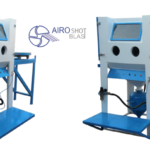
The machine uses a pressurized fluid typically compressed air or, in some designs, a centrifugal wheel, to propel the blasting material (known as the “media”) at high speed toward the target surface. Depending on the application, different types of media are used, ranging from highly abrasive materials to much gentler options. Choosing the right combination of machine and media is essential, and our detailed guide on how to select the right sandblasting media can help you pick the correct option for your specific job. For heavier industrial work, many operators also prefer the Airo Shot Blast cabinet range, which allows safe, controlled blasting with built-in abrasive recycling.
Some common types of abrasive media include:
- Sand: used in traditional sandblasting machine, one of the most abrasive options
- Metal shot: used in shot blasting for heavy-duty cleaning
- Glass beads: a milder option for polishing and light cleaning
- Plastic media: ground-up plastic stock used in Plastic Media Blasting (PMB)
- Walnut shells and corncobs: natural, low abrasive alternatives
- Baking soda: used in soda blasting for delicate surfaces
- Ice and dry ice: nearly non abrasive options for sensitive applications
It is important to note that certain media, such as walnut shells or corncobs, can trigger allergic reactions in some individuals, so proper media selection and handling matter.
How Does an Abrasive Blasting Machine Work?
The working principle of an abrasive blasting machine is straightforward but highly effective. Compressed air, generated by an air compressor, is fed into a pressurized tank like container called a blast pot. The blast pot holds the abrasive media and releases a controlled, adjustable amount of it into the main blasting line.
From there, the abrasive-air mixture travels through a hose and exits through a sand blasting nozzle, which directs the high-velocity stream of particles onto the workpiece. The impact of the abrasive particles against the surface removes contaminants, smooths rough areas, or creates the desired surface texture, depending on the media and pressure used.
Nozzles play a critical role in this process and are made from different materials depending on the abrasive used:
- Tungsten carbide: nozzles commonly used with mineral abrasives
- Silicon carbide and boron carbide: nozzles more wear resistant, ideal for harder abrasives like aluminum oxide
- Ceramic: nozzles used in standard systems and smaller cabinets
The number of blast pots in a system depends on how much air volume the compressor can generate, which is why larger operations often use multi pot systems for continuous, efficient blasting.
Main Types of Abrasive Blasting Machines
Abrasive blasting machines come in several configurations depending on the scale and nature of the work:
Portable / Mobile Blast Systems
These are typically powered by a diesel air compressor and are ideal for on site work. Some are mounted on semi trailers for maximum mobility across large project sites, while others are lightweight, sand blasting hopper fed units that are easy to transport between locations.
Popular Airo Shot Blast Portable Models:
| Model | Compressor Requirement | Abrasive Capacity |
|---|---|---|
| Airoshot P7 150 | 1.5 CFT | 42 Ltr |
| Airoshot P7 300 / 300R | 3 CFT | 85 Ltr |
| Airoshot P7 500 / 500R | 5 CFT | 142 Ltr |
| Airoshot P7 1000 / 1000R | 10 CFT | 284 Ltr |
Blast Cabinets
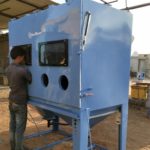
A blast cabinet is a closed, self contained system that lets the operator blast a part while automatically recycling the abrasive. It typically includes four main components the containment cabinet, the blasting system, the abrasive recycling system, and a dust collector. Operators work through built in glove holes while viewing the part through a window, controlling the blast with a foot pedal. Automated cabinet systems with multiple nozzles are also available for high volume production.
There are three common systems used inside blast cabinets:
- Siphon (suction) blast system: uses compressed air to create a vacuum abrasive blasting machine that pulls abrasive into the blast gun
- Pressure blast system: abrasive is stored in a pressurized vessel and metered directly into the blast hose for a more powerful, continuous flow
- Wet blast system: injects an abrasive liquid slurry into the airstream, ideal when heat from dry ice blasting machine could damage the part
Blast Rooms
A blast room is essentially a large scale version of a sand blasting cabinet, built for bigger or uniquely shaped items like rail cars, aircraft, construction equipment, and military vehicles. A typical blast room includes a sealed enclosure, a blasting system (wheel or air-based), a blast pot, a dust collection system, and a media recovery system either automated or manual.
Where Are Abrasive Blasting Machines Used?
Abrasive blasting machines have a wide range of applications across industries:
- Monument and signage work: creating engraved lettering on cemetery monuments and markers, as well as three dimensional signage on wood, acrylic, and glass
- Restoration and art: refurbishing old buildings, creating carved or frosted glass artwork
- Marine and construction: cleaning boat hulls, brick, stone, and concrete surfaces
- Industrial cleaning: preparing metal surfaces for coating, removing rust and scale from industrial and commercial structures
- Manufacturing: surface finishing for metal components before painting or powder coating, often carried out using a dust less blasting machine for a cleaner, safer work environment
What Should an Abrasive Blasting Machine Be?
A good abrasive blasting machine should be:
- Durable and built with quality materials: to withstand constant high pressure operation
- Efficient in abrasive consumption: minimizing waste while maintaining performance
- Easy to operate and maintain: with accessible components for regular servicing
- Matched to the right compressor capacity: for consistent air pressure and output
- Fitted with the correct nozzle material for the specific abrasive media being used a good quality sand blasting nozzle ensures better performance and longer equipment life
- Compliant with safety standards: including proper dust control and containment
At Airo Shot Blast, we manufacture, supply, and export portable sandblasting machine and abrasive blasting machine components at competitive prices from our facility in Jodhpur, Rajasthan, India, ensuring reliable performance for industrial and commercial applications.
Important Safety Considerations
Abrasive blasting is a powerful process, and safety should never be overlooked. Keep the following in mind:
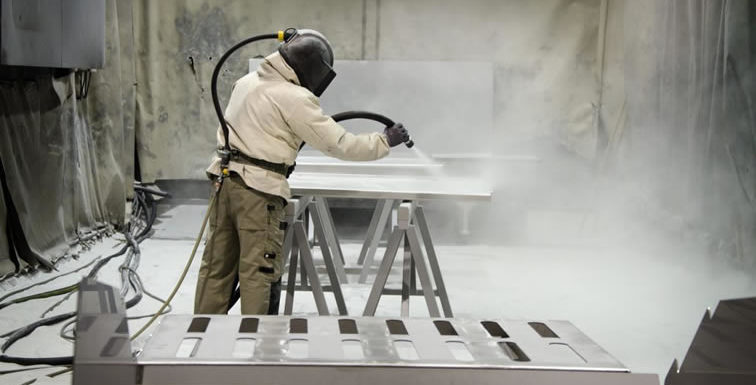
- Wear proper protective gear: including sand blasting helmet, respirators, gloves, and protective clothing to avoid inhaling dust or particles
- Check for media allergies: some natural abrasives like walnut shells can cause allergic reactions in sensitive individuals
- Ensure proper ventilation and dust collection: to prevent harmful particulate matter from escaping into the work environment
- Inspect equipment regularly: hoses, nozzles, and blast pots should be checked for wear and damage before each use
- Maintain correct air pressure: incorrect pressure settings can damage the workpiece or reduce operator safety
- Train operators thoroughly: proper handling of blast guns, foot pedals, and safety shut offs reduces the risk of accidents
- Use the right nozzle and media combination: mismatched materials can wear out equipment faster or produce poor results
By following these safety practices and choosing the right abrasive blasting machine for your needs, you can achieve professional-grade surface preparation results safely and efficiently.
