Zinc Spray Gun(Metallizing Gun): How It Works, Types, Uses, Abrasives
Rust slowly damages steel structures such as bridges, tanks, pipelines and machinery. A proven way to stop it is zinc metallizing, also called thermal spraying. This guide explains what a zinc spray gun is, how it works, where it is used, which abrasives to choose and how to stay safe.
What is a Zinc Spray Gun?
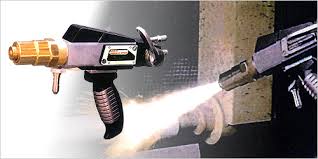
A zinc spray gun, also called a zinc metallizing gun or thermal spray gun, melts zinc or a zinc alloy and sprays it onto a prepared surface. The molten particles hit the steel and bond in thin, overlapping layers. This is called a lamellar coating.
It protects iron and steel in two ways:
- Barrier protection: The coating works as a wall between the steel and moisture and oxygen.
- Galvanic (cathodic) protection: Zinc corrodes before steel does. Even if the coating is scratched, nearby zinc keeps protecting the exposed steel as long as it lasts.
Key benefits:
- Long life: A sealed coating can last about 30 years in rural areas and 5 to 25 years in urban and coastal areas. A quality zinc spray gun applied over a properly blasted surface gives the best results.
- Adjustable thickness: Thicker coatings give longer protection, and extra can be added on weak spots like flange edges. A wire flame spray gun lets the operator control the coating build-up easily.
- No drying or curing time: Sealers and primers can be applied right away, which saves labour and time. This makes the metallizing gun a good choice for fast project turnaround.
- No size limit: It works for small parts in a workshop and for large structures on site. A portable metalizing gun is ideal for on site jobs, and an electric arc spray gun suits large surfaces.
- No warping: The steel stays near room temperature, so its shape and strength are not affected. A thermal spray gun coats the steel without distorting it.
- No VOCs: Zinc metallizing is inorganic, so it is better for the environment than many paints. A zinc wire spray machine gives a clean, solvent free coating.
How Does a Zinc Spray Gun Work?
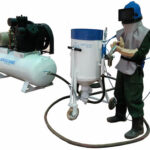
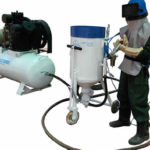
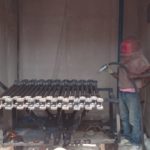
- Surface preparation: The steel is cleaned with a sandblasting machine to remove rust, oil, mill scale and old coatings. This also roughens the surface so the zinc grips well.
- Melting: Zinc wire is fed into the gun and melted by a gas flame or an electric arc.
- Spraying: Compressed air blows the molten zinc as fine particles onto the steel.
- Building layers: The particles flatten and bond on impact. Spraying continues until the required thickness is reached.
- Sealing (optional but recommended): A sealer or topcoat goes over the zinc. Zinc accepts these very well, and the combined system needs little maintenance for many years.
Main Types of Zinc Spray Guns
- Flame Spray (Wire) Gun
Melts zinc wire with a fuel gas and oxygen flame. It is portable and easy to use, which makes it a good fit for field and general jobs. - Electric Arc Spray Gun
Melts two zinc wires with an electric arc. It is fast and efficient, and it suits large surfaces and high volume work. - Powder Flame Spray Gun
Uses zinc or alloy powder instead of wire. It is useful for specialised work and for smaller or detailed parts.
Where Are Zinc Spray Guns Used?
- Bridges and steel structures
- Pipelines, tanks and storage vessels
- Transmission towers and electrical poles
- Marine and offshore equipment
- Industrial machinery and fabrication work
- Both workshops and on site projects, since the process has no size limit
What Abrasives Should Be Used Before Zinc Spraying?
The coating is only as good as the surface under it. Zinc needs a clean, rough surface, and the right abrasive creates it. Industry practice is to blast to a near-white or white metal finish (SSPC-SP5/SP10 or Sa 3/Sa 2½).
Recommended abrasives:
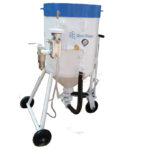
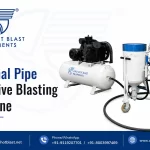
- Aluminium oxide: Sharp and hard, and gives a consistent rough profile. It works well in a sandblasting machine or sand blasting pot with a blasting nozzle.
- Steel grit (angular): Reusable and effective for a deep anchor pattern. It is commonly used with a shot blasting machine or blast room with an abrasive recovery system.
- Garnet: Cuts cleanly with low dust and works well for general blasting. Use it with a portable sand blasting machine for site jobs.
- Silicon carbide or crushed angular grit: Suitable for hard surfaces needing aggressive cutting. Pair it with a durable boron carbide nozzle to handle the extra wear.
Avoid:
- Round steel shot used alone, because it peens the surface rather than roughening it. This gives a poor bond when you apply the coating with a metal spray gun.
- Silica sand, because it produces dust that causes serious lung disease (silicosis) and is banned or restricted in many places. Safe abrasives protect the operator and give the metal spray gun a better surface to bond to.
Best practices:
- Aim for a surface roughness of roughly 2.5 to 4 mils (about 65 to 100 microns), or as your project specification requires. Use a sandblasting machine to get a consistent surface profile, and check it with a surface profile gauge.
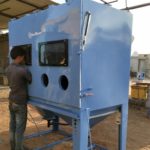
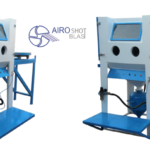
- Keep the abrasive clean, dry and free from oil and moisture. A sand blasting room with a Moisture Separator (air dryer) helps keep compressed air and abrasive dry. Store the abrasive in a covered, dry place.
- Spray the zinc soon after blasting, ideally within a few hours, before flash rust forms. Use an Airo Metalizing Gun or another zinc metallizing equipment to apply the coating while the surface is still clean.
6. Important Safety Considerations
Zinc metallizing is safe when done correctly. Follow these precautions:
- Training: Only trained operators should use the equipment, following the manufacturer’s manual.
- Respiratory protection: Zinc fumes and blasting dust are harmful. Use an approved respirator or air fed helmet.
- Ventilation: Work in a well ventilated area, or use fume extraction indoors. Breathing zinc fumes can cause “metal fume fever.”
- Eye and face protection: Wear goggles or a face shield. For arc spray, use a proper filter lens against the bright arc.
- Protective clothing: Wear heat resistant gloves, long sleeves and safety boots (safety equipment for blasting) .
- Hearing protection: When using a zinc spray gun such as the Airo Metalizing Gun, both the gun and the compressed air produce a lot of noise. Operators should always wear ear plugs or ear muffs..
- Fire safety: Keep flammable materials away. Store and handle gas cylinders securely, and keep a fire extinguisher nearby.
- Electrical safety (arc guns): Check cables and earthing, and keep the equipment dry.
- Compressed air safety: Inspect hoses and fittings, and never point the gun at people.
