

Sand Blasting Cabinet vs. Blast Room: Choosing the Right Setup for Heavy Components
Selecting the right abrasive blasting setup is essential for manufacturers who want to achieve consistent surface preparation, improve productivity, and control operating costs. When working with metal components, machinery parts, fabricated structures, and industrial equipment, choosing between a sand blasting cabinet and blast room can significantly affect your production process.
Recommended machines for this application
Indicative prices for commercial evaluation — request a firm quote for your duty cycle.
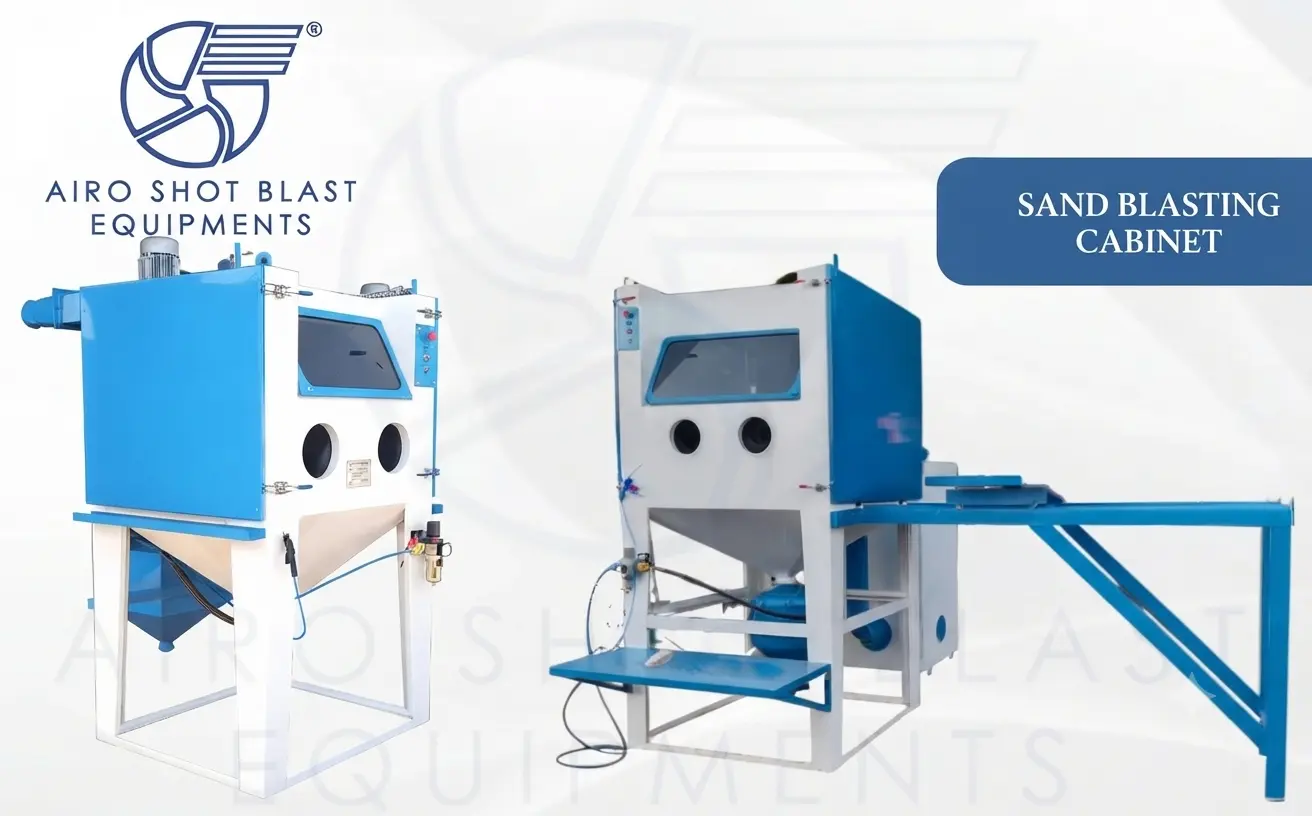
Abrasive Blasting Cabinet
Sand Blasting Cabinet Price
The sand blasting cabinet features an extended side platform for handling longer, larger …

Sand Blasting Machine
Sand Blasting Machine
A sand blasting machine is an industrial equipment that uses compressed air to propel abr…

Abrasive Blasting Cabinet
Pressure Blasting Cabinet
A pressure blasting cabinet delivers powerful, fast cleaning by forcing abrasive grit thr…
Compare & price
Choose a machine that fits your job
Review models below, check indicative prices, then request a quote for your component, material, and capacity.
Both systems are designed to remove rust, paint, mill scale, and other surface contaminants using abrasive media. However, they differ in working capacity, component handling, space requirements, and industrial applications.
A sand blasting cabinet is generally suitable for smaller components, whereas a blast room is designed to accommodate large and heavy workpieces that cannot easily fit inside an enclosed cabinet.
In this guide, we will compare sand blasting cabinets and blast rooms, explain their advantages and disadvantages, and help you choose the right industrial blasting solution for your factory.
1. What Is a Sand Blasting Cabinet?
A Sand Blasting Cabinet is an enclosed abrasive blasting system used for cleaning, finishing, and preparing relatively small components. It consists of a blasting chamber, viewing window, built-in gloves, blasting nozzle, abrasive storage arrangement, and dust collection system.
The operator places the component inside the cabinet and performs blasting without directly handling the abrasive stream.
Most industrial blast cabinets are equipped with abrasive recovery and filtration systems to support repeated operations and maintain a cleaner working environment.
Key Features of a Sand Blasting Cabinet:
- Enclosed blasting chamber for controlled operations.
- Manual or automated blasting arrangements.
- Suitable for small and medium-sized components.
- Abrasive recovery systems in many configurations.
- Integrated dust collector and filtration.
- Available in different chamber dimensions.
Advantages of Sand Blasting Cabinets:
- Compact Design: Requires less factory space than a dedicated blast room.
- Controlled Operation: Enclosed construction helps contain abrasive media and dust.
- Lower Initial Investment: Generally more economical for smaller blasting requirements.
- Abrasive Recovery: Many models allow abrasive media to be collected and reused.
- Consistent Finishing: Suitable for repetitive cleaning and surface preparation of similar components.
Disadvantages:
- Limited by internal chamber dimensions.
- Not suitable for oversized structures and very heavy components.
- Manual loading and unloading can limit productivity.
- Large workpieces may require special handling arrangements.
Best Applications: Automotive parts, engineering components, metal fittings, tools, small castings, and workshop-level surface preparation.
2. What Is an Industrial Blast Room?
An Industrial Blast Room is a specially designed enclosed facility used for abrasive blasting machine of large, bulky, or heavy components.
Unlike a blasting cabinet, a blast room provides enough internal space for operators and workpieces. Large components can be moved inside using cranes, forklifts, trolleys, or other material-handling equipment.
Industrial blast rooms are commonly used in structural steel fabrication, shipbuilding, heavy engineering, railway manufacturing, and equipment maintenance.
A complete blast room can include abrasive recovery systems, floor conveyors, bucket elevators, separators, dust collectors, ventilation arrangements, and operator safety equipment.
Key Features of an Industrial Blast Room:
- Large enclosed blasting area.
- Suitable for heavy and oversized components.
- Integrated dust collection and ventilation.
- Mechanical or pneumatic abrasive recovery.
- Material handling through cranes and forklifts.
- Designed for industrial production requirements.
Advantages of Blast Rooms:
- Large Component Capacity: Accommodates structures and machinery that cannot fit inside a conventional blasting cabinet.
- Heavy-Duty Applications: Suitable for structural steel, industrial frames, tanks, and fabricated assemblies.
- Flexible Operations: Can handle different component shapes and dimensions.
- Industrial Productivity: Suitable for regular blasting operations involving large workpieces.
- Integrated Abrasive Recovery: Advanced systems can reduce manual media handling and support abrasive recycling.
Best Applications: Heavy fabrication, shipbuilding, steel structures, railway components, storage tanks, industrial machinery, and large engineering projects.
3. Sand Blasting Cabinet vs. Blast Room: Comparison Table
Understanding the differences between these systems makes it easier to select the right equipment for your production requirements.
| Comparison Factor | Sand Blasting Cabinet | Industrial Blast Room |
|---|---|---|
| Main Application | Small components | Large and heavy components |
| Working Area | Enclosed cabinet | Large enclosed room |
| Component Size | Small to medium | Medium to oversized |
| Initial Investment | Generally lower | Generally higher |
| Space Requirement | Compact | Large dedicated area |
| Operation | Manual or automated | Manual or automated |
| Material Handling | Manual or mechanical | Crane, forklift, trolley |
| Abrasive Recovery | Cabinet-based system | Floor recovery system |
| Dust Collection | Integrated extraction | Industrial dust collection |
| Production Capacity | Low to medium | Medium to high, depending on design |
| Ideal Industry | Automotive and engineering workshops | Heavy fabrication and shipbuilding |
Note: Actual capacity and productivity depend on chamber dimensions, abrasive system, material handling, automation, and production requirements.
4. Which System Is Better for Heavy Components?
When handling heavy components, the most important considerations are workpiece dimensions, weight, loading arrangements, and blasting requirements.
A conventional sand blasting cabinet may not be suitable for large steel structures or bulky machinery because of its limited internal dimensions and loading capacity.
An industrial blast room provides a more practical solution for such applications.
For example:
Example 1: Small Automotive Components
A manufacturer producing metal brackets, engine parts, and small fittings may benefit from a sand blasting cabinet. Components can be loaded in batches and cleaned in a controlled environment.
Example 2: Heavy Fabricated Structures
A steel fabrication company handling beams, frames, and large welded assemblies may require an industrial blast room. Large components can be moved inside using an overhead crane and blasted without dismantling them.
Example 3: Industrial Equipment Maintenance
Companies cleaning large machinery, industrial tanks, and heavy equipment may benefit from blast rooms because they provide sufficient working space for oversized components.
Therefore, if your factory regularly processes heavy or oversized workpieces, a blast room is generally the more suitable option.
5. Important Factors Before Buying a Sand Blasting Cabinet or Blast Room
Before investing in industrial abrasive blasting equipment, consider the following factors:
- Component Dimensions: Measure the maximum length, width, and height of your workpieces. Always allow sufficient clearance for blasting operations and movement.
- Component Weight: Check the maximum loading capacity and select suitable handling equipment.
- Production Volume: Estimate the number of components requiring blasting per shift or per day.
- Abrasive Selection: Choose suitable blasting media such as Steel Grit, Aluminium Oxide, Garnet, or Glass Beads according to the material and required surface finish.
- Dust Collection System: Select an appropriate filtration system to control airborne dust and maintain workplace safety.
- Abrasive Recovery: Evaluate whether a manual, pneumatic, or mechanical recovery system is suitable for your operation.
- Available Factory Space: Consider room dimensions, access doors, loading areas, and material movement.
- Maintenance and Support: Check spare parts availability, technical assistance, equipment warranty, and servicing requirements.
6. What Is the Cost Difference Between a Blast Cabinet and a Blast Room?
The cost of a sand blasting cabinet is generally lower because of its compact design, smaller abrasive capacity, and simpler installation requirements.
A blast room system requires a considerably larger investment because it may include:
- Specialised room construction and lining.
- Industrial dust collection equipment.
- Abrasive recovery and recycling systems.
- Ventilation and filtration arrangements.
- Material handling equipment.
- Operator safety systems.
- Electrical installation and commissioning.
The final blast room cost depends on its dimensions, component handling capacity, recovery technology, automation level, and installation requirements.
Rather than comparing only the purchase price, manufacturers should calculate the total cost of ownership, including labour, abrasive consumption, electricity, maintenance, and production output.
7. How to Select the Right Industrial Blasting Setup
The best solution depends on your manufacturing requirements.
Choose a Sand Blasting Cabinet If:
- You process small or medium-sized components.
- Your production requirements are moderate.
- You have limited factory space.
- You need an economical and controlled blasting solution.
- You regularly clean automotive or engineering parts.
Choose an Industrial Blast Room If:
- You process large and heavy components.
- Your workpieces cannot fit inside a conventional cabinet.
- You handle structural steel and fabricated assemblies.
- You need crane or forklift-based material handling.
- Your factory requires dedicated industrial blasting facilities.
Selecting the right system from the beginning helps avoid unnecessary equipment costs and future production limitations.
Conclusion: Invest in the Right Blasting Setup for Your Factory
Both Sand Blasting Cabinets and Industrial Blast Rooms play important roles in modern manufacturing. However, they are designed for different component sizes and production requirements.
A Sand Blasting Cabinet is an excellent choice for smaller parts, workshop applications, and controlled surface finishing. An Industrial Blast Room is better suited for large structures, heavy machinery, and oversized fabricated components.
Before purchasing, carefully evaluate component dimensions, production volume, factory space, abrasive recovery requirements, and long-term operating expenses.
Looking for a suitable industrial blasting solution? Explore our range of Sand Blasting Cabinets and Industrial Blast Rooms. Contact our technical team for machine specifications, customised configurations, and expert guidance. Choose the right blasting setup to improve surface preparation quality and manufacturing productivity.
Related products available now
Explore related equipment — view specs or request buying price and delivery.

Abrasive Blasting Cabinet
Suction Blasting Cabinet
A suction blasting cabinet uses compressed air to draw abrasive media through a gun for c…
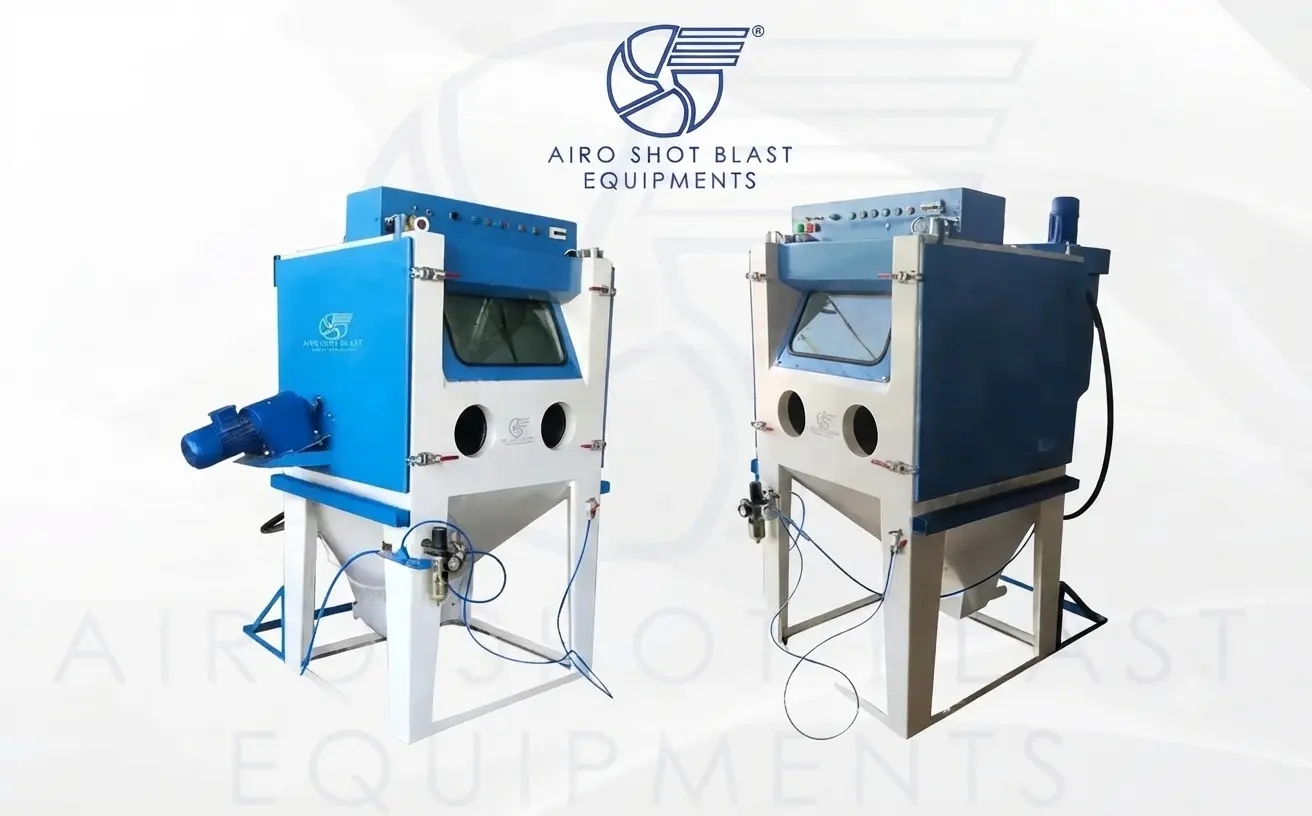
Abrasive Blasting Cabinet
Wet Blasting Cabinet
A wet blasting cabinet uses abrasive slurry and compressed air for dust-free, controlled …
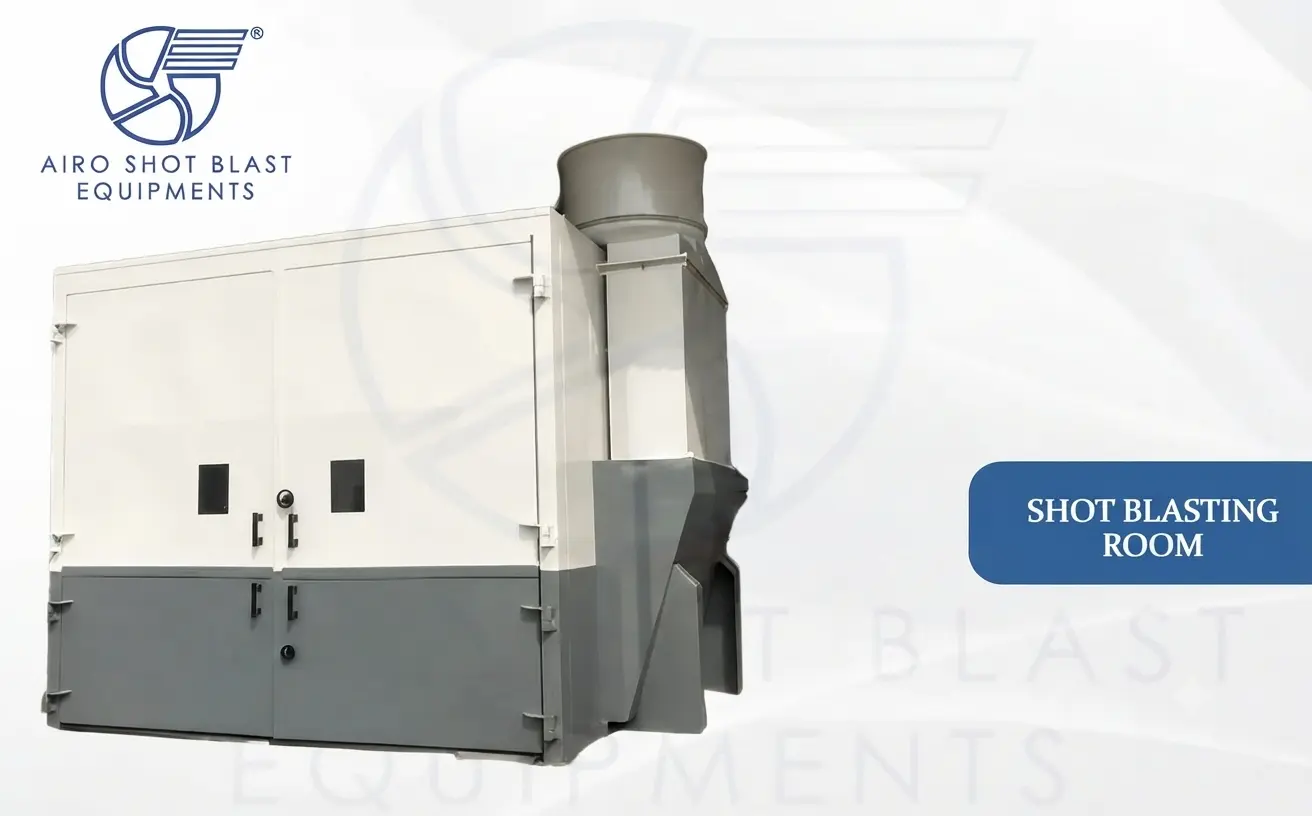
Abrasive Blasting Room
Shot Blasting Room
Shot blasting room provides a fully enclosed, ventilated workspace for safe, efficient bl…
Buy / get a quote
Ready to order or need a firm price?
Share your application and quantity — we will confirm specs, delivery timeline, and commercial pricing from Jodhpur.