Can You Paint After Sandblasting? Yes, and Here Is How to Do It Right
yes, you can and is one of the best ways to prepare metal for paint. But the quality of the result depends on what you do in the hours after blasting. Anyone who has repainted metal knows the frustration of paint that chips, bubbles or peels within months. In most cases the problem is not the paint. It is what was underneath it: rust, old coatings, oil, or smooth metal with nothing for the paint to grip. Sandblasting removes all of that. At Airoshot Blast, a manufacturer, supplier and exporter of blasting equipment in Jodhpur, India, we build the machines used for this preparation. This guide explains what happens when you paint after blasting, the correct process, the methods and abrasives involved, where it is used, and how to stay safe.
Can You Paint After Sandblasting?
Yes. Sandblasting is an efficient way to remove old paint and rust from a metal object before repainting. It works on practically any metal surface, and it does two jobs at once. It strips away everything that should not be under the new coating, and it etches the metal with a fine, even texture. That texture gives paint or powder something to bond with, so the coating sticks far better than it would on wiped or hand sanded metal. Without this step, paint chips off much more easily.
There is one important condition. After blasting, the object must be cleaned thoroughly to remove every trace of dust, dirt and grease, because any leftover residue interferes with adhesion. A sand blasting machine does the preparation, but the cleaning and coating that follow decide how long the finish lasts.
How to Paint After Sandblasting: Step by Step
The process follows a clear order, and skipping a stage shortens the life of the paint.
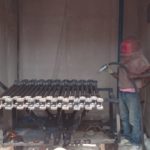
- Blast the surface: The abrasive scours the metal, strips oxidation from the steel and leaves a clean, etched profile. Depending on the part, this is done in a blast room, a shot blasting cabinet, a grit blasting machine or a tumblast shot blasting machine for bulk batches.
- Clean off all residue: Remove dust, dirt and grease completely. A dust collector captures the fine dust created during blasting, so the surface and the workshop stay clean. Paint will not bond to a dirty surface.
- Protect the bare metal: Freshly blasted steel is highly reactive. If it is left exposed in the wrong environment, it starts to rust very quickly. Let the part dry in a safe, controlled atmosphere and move to the next step soon. For long-term corrosion protection, a metal coating applied with an arc spray gun or thermal spray gun can be used instead of plain primer.
- Apply a primer: A zinc-based primer is commonly used to add a layer of corrosion protection beneath the finish coat. For zinc coating jobs, a zinc spray booth keeps the work controlled and clean.
- Apply the paint or powder: Powder coatings are often applied with an electrostatic gun, which helps the coating spread evenly and quickly and reduces overspray. A dedicated paint booth keeps the finish clean and protects the operator.
- Cure and handle: Let the coating cure or dry fully. Powder coated parts can be handled as soon as they have cooled.
The key lesson is timing. The longer bare metal sits between blasting and priming, the greater the chance of flash rust. A good workshop plans the stages so the gap is as short as possible.
3. Main Types of Blasting and Coating Methods
Different jobs call for different equipment.
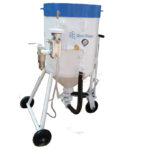
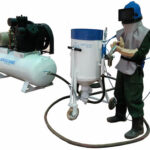
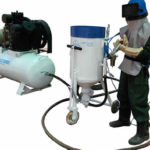
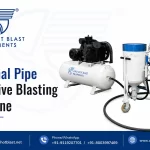
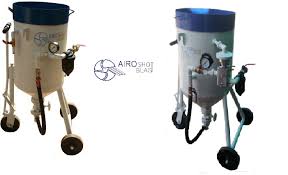
- Air blasting with a blast pot. Compressed air carries the abrasive through a hose and nozzle. It is flexible, handles complex shapes and suits on-site work. See our portable sand blasting machine.
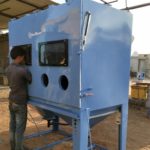
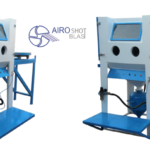
- Cabinet blasting. Small parts are cleaned inside an enclosed cabinet, which keeps the work neat and controlled. Take a look at our grit blasting cabinet.
- Shot blasting. A spinning wheel throws steel shot at the part. It is fast and powerful, and suits large or high-volume work. Explore our shot blasting machine.
- Powder coating. Dry powder is sprayed on with an electrostatic gun and then baked. Overspray can be collected and reused, which keeps waste low.
- Wet paint. Liquid paint is sprayed, brushed or rolled on. It is versatile and widely used, especially indoors.
- Thermal spray coating. For heavy-duty protection, metal coatings can be applied by spray. Read our guides on thermal spray coating and the metalizing gun.
Not sure which setup fits? Our overview of the different types of sandblasting machine will help you narrow it down.
4. What Abrasive Should Be Used?
The abrasive shapes the surface profile, so choose it for the paint system that follows.
- Steel grit: Angular and aggressive. It leaves a rougher profile that coatings grip very well.
- Steel shot: Rounded and durable, used mainly in wheel-blast machines for cleaning and light peening.
- Aluminium oxide: Hard and sharp, for fast cutting on tough surfaces.
- Glass beads: Gentler, leaving a smoother satin finish on delicate parts.
- Baking soda: The softest option, for fragile surfaces.
Match the media to the metal thickness and the paint you plan to use. a quality sand blasting nozzle for a consistent blast pattern. To understand the equipment side.
Advantages of Painting After Sandblasting
The main benefits are durability and long life. A blasted and painted surface does more than look good.
- Corrosion protection: A properly blasted and primed surface resists rust far better than paint applied over old metal, especially outdoors. For on-site rust removal on large structures, a portable grit blasting machine gives the deep, clean profile that protective coatings need.
- Better adhesion: The etched profile helps paint or powder bond, so it is less likely to chip, flake or peel. A steady supply of dry air from an air compressor and moisture separator keeps the abrasive flowing evenly, which gives a uniform profile across the whole surface.
- Cost efficiency: Powder coating is a solid product, so overspray can be collected and reused. That means less waste than wet paint and lower costs over time. On the blasting side, a blasting hopper and an abrasive recovery system let you collect and reuse media, which cuts running costs further.
- Faster production: Powder-coated parts are ready to handle once they cool, which cuts downtime and keeps production moving. For high-volume lines, a spinner hanger shot blasting machine or swing table shot blasting machine speeds up the blasting stage as well.
- Chemical resistance: A well-applied coating stands up to spills and cleaning chemicals, so a quick wipe is often enough to keep parts clean. Operators who handle these jobs should use a blasting helmet, blasting suit and a durable sand blasting hose set for safe, trouble free work.
Where Is Blast and Paint Used?
- Automotive, for chassis, wheels and body parts.
- Fabrication and steel structures, for beams, frames and gates.
- Machinery and equipment manufacturing, for housings, panels and components.
- Construction, for structural steel and railings.
- Foundries and engineering units, for castings and precision parts.
- Furniture and fittings, for metal cabinets and racks.
Important Safety Considerations
- Operator protection: Use a sand blasting helmet with fresh air supply, gloves, a suit and safety footwear. Never breathe blasting dust.
- Dust control: Work in a ventilated or enclosed area with proper extraction.
- Old coatings: Paint on older objects can contain harmful substances such as lead, so handle and dispose of waste responsibly.
- Coating area: Paint and powder spraying also need ventilation and suitable protective equipment.
- Equipment checks: Inspect hoses, nozzles and fittings regularly.
- Trained operators: Only trained people should run blasting and coating equipment.
Get the Right Equipment from Airo Shot Blast
Good paint starts with good preparation. If you are setting up a workshop or upgrading your equipment, our team will recommend the right machine for your parts, volume and budget. See our product list for the full range, or request a quote and we will reply with a configuration and price. You can also call us on +91-9119207701.
