
Abrasive Blasting Media: A Complete Guide to Choosing the Right One
Abrasive blasting, commonly known as sandblasting, is a surface preparation process in which a blasting medium is propelled at high pressure against a surface. It smooths rough areas, removes rust and corrosion, strips old paint, and cleans away contaminants. It is one of the fastest and most efficient ways to restore machinery, vessels, and metal parts to like-new condition, and to prepare surfaces for repainting or coating.
What Is Abrasive Media, and Where Can You Buy It?
Abrasive media is the material fired from a blasting machine to clean, smooth, etch, or strip a surface. It comes in many forms, including walnut shell, glass beads, aluminum oxide, silicon carbide, plastic, and steel shot or grit. Each has a different hardness, shape, and cutting action.
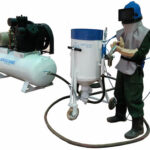
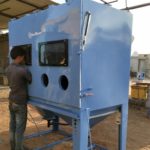
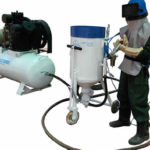
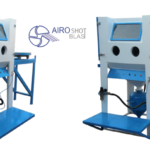
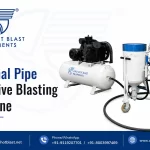
If you are looking to buy abrasive media, work with a supplier that offers a full range of grades and particle sizes, gives technical guidance, and can supply matching equipment. A reliable supplier will help you match the media to your surface, your budget, and your blasting machine. You can also explore a range of sandblasting machines suited to different media and applications.
How Does Abrasive Media Work?
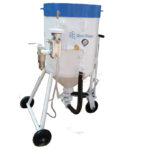
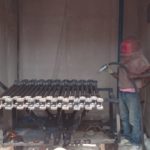
In abrasive blasting machine, compressed air (or a mechanical wheel) accelerates the media toward the surface at high speed. On impact, the particles remove rust, scale, paint, or buildup, and leave a clean, uniformly textured finish.
The result depends on three main factors:
- Pressure: Higher pressure works faster but can damage delicate surfaces.
- Media type and size: Harder, sharper media cuts more aggressively. Softer, rounder media polishes or cleans gently.
- Distance and angle: The nozzle position changes how deep and how even the finish is.
Matching all three correctly gives you faster work, better quality, and lower media consumption.
Main Types of Abrasive Media
- Walnut shell and corn cob: These are soft, biodegradable, and eco friendly. They are ideal for delicate surfaces such as wood because they clean without etching.
- Glass beads: Made from fine soda lime glass, they give a smooth, bright, satin finish with minimal stress on the surface. They are recyclable and can be reused up to around 100 times, so they are cost effective.
- Aluminum oxide: Tougher and sharper than glass beads. It is excellent for paint removal and general cleaning, and is widely used for glass etching.
- Plastic media: Very soft, so it is well suited to removing paint from fiberglass parts used in automotive, aerospace, and marine products without etching or damaging the base material.
- Silicon carbide grit: It has an extremely fast cutting action, making it ideal for etching glass, stone, and other hard surfaces. It also works well on rust and paint.
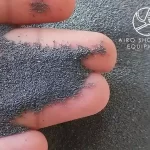
- Steel shot and steel grit: Steel shot is round and used for shot peening machine, polishing, and general blasting. Steel grit is angular and sharper, and is used to remove rust, paint, and scale from steel surfaces.
4. Which Abrasive Media Should You Choose?
The right choice depends on your surface, your goal, and your budget:
- If you are unsure, start soft. When you don’t know how much abuse a surface can take, begin with a gentler medium such as walnut shell or corn cob. You can always move to something more aggressive.
- For a smooth, bright finish, choose glass beads.
- For paint removal and general cleaning, choose aluminum oxide.
- For fiberglass and composites, choose plastic media.
- For fast etching or hard surfaces, choose silicon carbide grit.
- For heavy rust, scale, or old coatings on steel, choose steel grit.
Also consider reusability, since media like glass beads and steel can be recycled many times and lower your cost per job. Avoid silica sand where possible, as explained below.
5. Important Safety Considerations
Safety should be part of every blasting job:
- Avoid silica sand: Sand contains crystalline silica, which is known to cause serious respiratory diseases in blasting workers. Many companies have moved away from it. Sand also holds a high level of moisture, which can clog and prematurely damage sand blasting safety equipments.
- Wear proper PPE: an approved sand blasting helmet or respirator, gloves, hearing protection, and protective clothing.
- Ensure ventilation and dust control: in the work area, and keep bystanders clear.
- Maintain your equipment:Regularly inspect hoses, sand blasting nozzle, and fittings, and use the correct pressure for the media and surface.
- Dispose of used media properly: especially when it contains paint, lead, or other contaminants.
Conclusion
Choosing the right abrasive media improves finish quality, saves time, and protects both your equipment and your workers. Whether you are restoring machinery, preparing metal for painting, or etching glass, the right medium and a well maintained blasting machine make all the difference.
Ready to get started? Contact us for expert advice, media options, and the right sandblasting equipment for your needs.

1 thought on “Abrasive Media for sale”