
Portable Blasting Pot vs. Blast Cabinet vs. Automatic Blasting Machine: Which One Fits Your Factory?
Choosing the right sandblasting equipment is an important decision for any manufacturing unit, fabrication workshop, or industrial facility. The right sand blasting machine can improve surface quality, increase productivity, reduce labour costs, and prepare components for painting, coating, or further processing.
Recommended machines for this application
Indicative prices for commercial evaluation — request a firm quote for your duty cycle.

Sand Blasting Machine
Sand blasting Machine in India
Sand blasting machine in India are available as portable pressure-pot units or enclosed e…

Abrasive Blasting Machine
Sand Blasting Machine Price, P71000R
Sand blasting machine price for the P7 1000R model depends on configuration; request a qu…
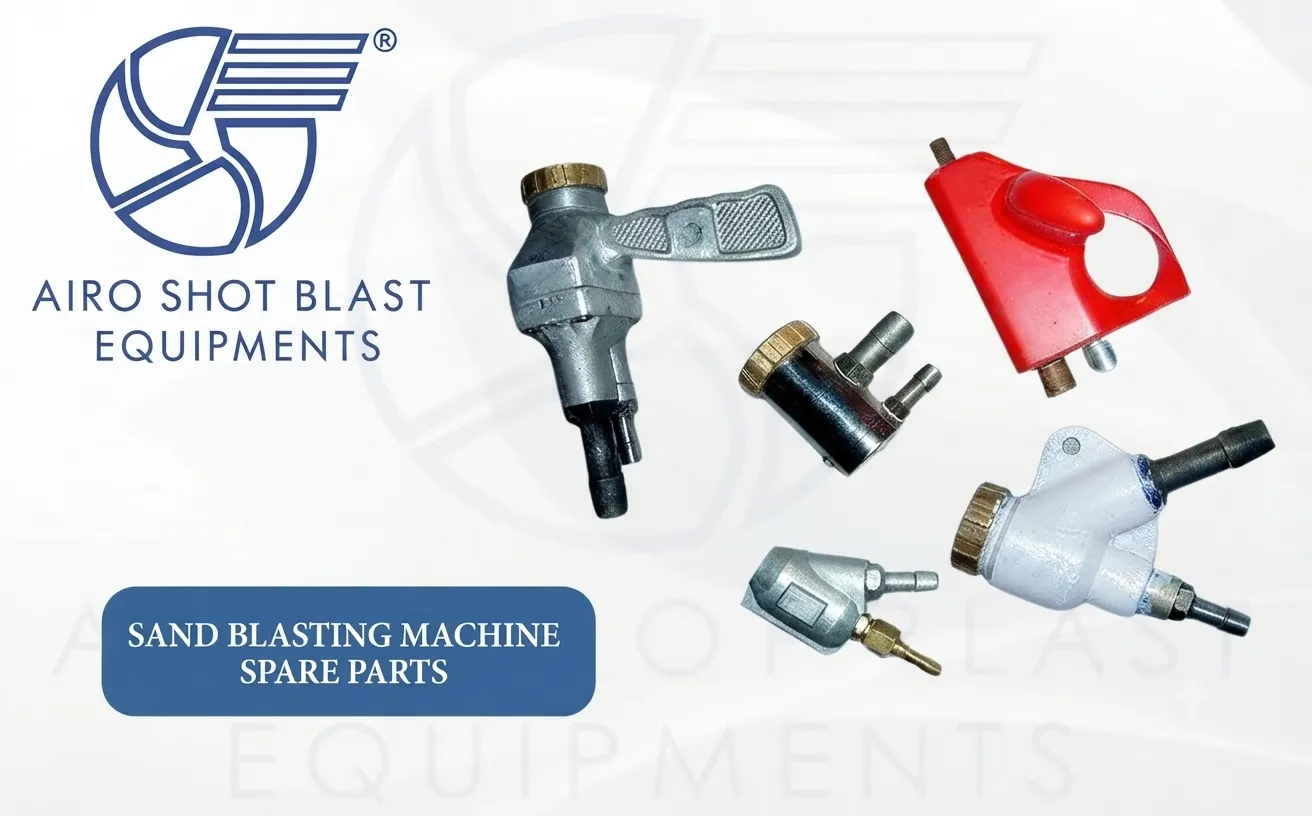
Sand Blasting Spare Parts
Sand Blasting Machine Spare Parts
Sand blasting machine spare parts including valves, nozzles and fittings to keep your equ…
Compare & price
Choose a machine that fits your job
Review models below, check indicative prices, then request a quote for your component, material, and capacity.
However, with different types of blasting equipment available in the market, selecting the most suitable option can be confusing. Three popular choices are Portable Blasting Pots, Blast Cabinets, and Automatic Blasting Machines. Each machine is designed for specific applications, production requirements, and working environments.
In this industrial blasting buying guide, we will compare all three machines, explain their advantages and disadvantages, and help you decide which equipment is the right investment for your factory.
1. What Is a Portable Blasting Pot?
A Portable Blasting Pot is a mobile abrasive blasting system designed for cleaning, rust removal, paint removal, and surface preparation. It uses compressed air to propel abrasive media onto a surface at high speed.
Unlike stationary blasting equipment, a portable sand blasting machine can be moved easily to different working locations. This makes it particularly useful for large structures, heavy equipment, construction sites, pipelines, storage tanks, and industrial maintenance projects.
Advantages of Portable Blasting Pots:
- Easy Mobility: Can be transported to different job sites and work areas.
- Suitable for Large Surfaces: Ideal for blasting machinery, steel structures, tanks, and fabricated components.
- Flexible Applications: Useful for rust removal, paint stripping, and surface preparation.
- Lower Initial Investment: Generally more affordable than automated industrial blasting systems.
- On-Site Operations: Allows operators to perform blasting without moving heavy components to a workshop.
Disadvantages:
- Requires a trained operator for effective operation.
- Productivity depends on operator skill and blasting conditions.
- Abrasive consumption and dust management require attention.
- Not the most suitable option for repetitive, high-volume production.
Best For: Small projects, construction work, maintenance activities, and on-site industrial blasting applications.
2. What Is a Blast Cabinet?
A sand blasting cabinet is an enclosed abrasive blasting machine designed for cleaning and finishing smaller components. The operator places the component inside the cabinet and performs blasting through built-in gloves while viewing the process through a transparent window.
The enclosed design helps contain abrasive media and reduces dust exposure when the cabinet's extraction and filtration systems are properly maintained.
Blast cabinets are commonly used in automotive workshops, engineering units, tool rooms, and manufacturing facilities where smaller parts require consistent surface preparation.
Advantages of Blast Cabinets:
- Controlled Blasting Environment: The enclosed chamber provides a more controlled working area.
- Better Media Management: Many cabinets support abrasive recovery and reuse.
- Consistent Results: Suitable for repeatable cleaning and finishing of similar components.
- Space Efficient: Available in different sizes to suit small and medium workshops.
- Improved Housekeeping: Helps contain abrasive media and dust when properly equipped.
Best For: Small mechanical parts, automotive components, tools, metal fittings, and workshop-level surface cleaning.
For more info about the wet blasting machine, visit our webpage.
3. What Is an Automatic Blasting Machine?
An Automatic Blasting Machine is an industrial surface treatment system designed for high-volume and repetitive manufacturing operations. Depending on the machine design, it may use a conveyor, rotating table, tumbling system, or specialised material-handling arrangement.
These machines automate much of the blasting process, reducing the need for continuous manual intervention. They are particularly useful in industries where hundreds or thousands of components need consistent surface treatment.
Automatic systems may use different blasting technologies, including abrasive air blasting and centrifugal wheel blasting. The correct configuration depends on component size, material, surface finish requirements, and production volume.
Advantages of Automatic Blasting Machines:
- High Production Capacity: Designed for continuous or batch-based industrial operations.
- Consistent Surface Finish: Helps maintain uniform treatment across repeated components.
- Reduced Manual Labour: Automation reduces operator involvement in routine blasting tasks.
- Improved Productivity: Suitable for manufacturing units with demanding production schedules.
- Process Integration: Can be incorporated into existing manufacturing and material-handling lines.
Best For: Mass production, automotive manufacturing, foundries, engineering industries, and large-scale fabrication units.
4. Portable Sand Blaster vs Blast Cabinet vs Automatic Blasting Machine: Comparison Table
Understanding the differences between these three machines makes it easier to select equipment according to your operational needs.
| Comparison Factor | Portable Blasting Pot | Blast Cabinet | Automatic Blasting Machine |
|---|---|---|---|
| Main Application | On-site blasting | Small workshop components | Mass production |
| Mobility | High | Low | Low |
| Operation | Manual | Manual | Automated or semi-automated |
| Component Size | Large surfaces and structures | Small to medium parts | Depends on machine configuration |
| Production Capacity | Low to medium | Low to medium | High |
| Initial Investment | Generally low | Medium | Generally high |
| Labour Requirement | Higher | Moderate | Lower per unit |
| Space Requirement | Flexible | Workshop space | Dedicated industrial space |
| Surface Treatment | Flexible | Controlled component blasting | Repeatable production blasting |
| Ideal Industry | Construction and maintenance | Automotive and engineering workshops | Automotive, foundry and manufacturing |
Note: Investment levels and production capacity depend on machine specifications, accessories, automation, and operating conditions.
5. Which Blasting Machine Should You Choose?
The best machine depends on the type of components you process, your production targets, available space, and budget.
Here is a simple selection guide:
Choose a Portable Blasting Pot If:
- Your blasting work takes place at different locations.
- You need to clean large structures or heavy equipment.
- Your projects involve rust removal and paint stripping.
- You require flexibility rather than continuous production.
For example, a fabrication company cleaning large steel structures at a construction site can benefit significantly from a portable blasting pot.
Choose a Blast Cabinet If:
- You regularly clean small metal components.
- Your operations take place inside a workshop.
- You need controlled blasting for individual parts.
- Your production volume does not justify a fully automated system.
For example, an automotive workshop cleaning engine components, brackets, and metal fittings may find a blast cabinet more practical.
Choose an Automatic Blasting Machine If:
- Your factory processes large quantities of similar components.
- You need consistent surface treatment.
- Manual blasting is slowing down production.
- You want to reduce repetitive labour and improve operational efficiency.
For example, an automotive component manufacturer processing hundreds of metal parts daily may benefit from an automatic blasting machine integrated into its production line.
6. Automatic Sand Blasting Machine Price: What Determines the Cost?
One of the most common questions buyers ask is about the automatic blasting machine price. There is no single fixed price because the investment depends on several technical and operational factors.
Important price-determining factors include:
- Machine Type: Conveyor, tumble, rotary table, and specialised blasting machines have different configurations and costs.
- Production Capacity: Higher throughput requirements may need larger and more powerful systems.
- Automation Level: PLC controls, automated loading, unloading, and conveyor integration affect the overall investment.
- Component Dimensions: Larger working chambers require more substantial machine construction.
- Blasting Technology: Air blasting and wheel blasting systems have different equipment requirements.
- Dust Collection System: Efficient dust extraction and filtration are essential for industrial operations.
- Abrasive Recovery: Automated media separation and recycling systems can influence the purchase price.
- Installation and Maintenance: Electrical requirements, commissioning, spare parts, and after-sales support should also be considered.
Instead of comparing machines only by their purchase price, buyers should evaluate the total cost of ownership. This includes electricity, compressed air, abrasive consumption, maintenance, labour, downtime, and expected production output.
A machine with a higher initial cost may deliver better long-term value if it significantly improves productivity and reduces operating costs.
7. Important Factors to Consider Before Buying
Before investing in any industrial blasting equipment, evaluate these essential points:
- Production Volume: Calculate how many components need blasting per shift or per day.
- Component Size: Check the maximum dimensions and weight of your workpieces.
- Surface Finish: Determine the required cleanliness and surface profile.
- Abrasive Media: Select suitable media according to the component material and finishing requirements.
- Available Space: Consider machine dimensions, operator access, and material movement.
- Dust Management: Ensure the equipment includes suitable dust extraction and filtration.
- After-Sales Support: Check warranty, spare parts availability, installation, and technical assistance.
- Future Expansion: Consider whether your production requirements are likely to increase.
A proper evaluation helps prevent overspending and ensures that the selected equipment supports your long-term manufacturing goals.
Conclusion: Make the Right Blasting Equipment Investment
Selecting between a Portable Blasting Pot, Blast Cabinet, and Automatic Blasting Machine is not simply about choosing the most powerful or expensive equipment. It is about finding a solution that matches your factory's actual requirements.
A Portable Blasting Pot is an excellent choice for on-site projects, large structures, and maintenance work. A Blast Cabinet is ideal for smaller components and controlled workshop applications. An Automatic Blasting Machine is the right investment for manufacturers who need high production capacity, repeatable surface quality, and improved operational efficiency.
Before making a purchase, compare machine specifications, production capacity, operating costs, and after-sales support. The right industrial blasting equipment can improve manufacturing efficiency while delivering reliable surface preparation for years to come.
Looking for the right industrial blasting solution for your factory? Compare available machine configurations, discuss your production requirements with an experienced manufacturer, and request a customised quotation before making your final decision.
Related products available now
Explore related equipment — view specs or request buying price and delivery.

Abrasive Blasting Cabinet
Benchtop Sand Blasting Cabinet
Benchtop sand cabinet offers compact, high-efficiency surface etching, cleaning, and part…
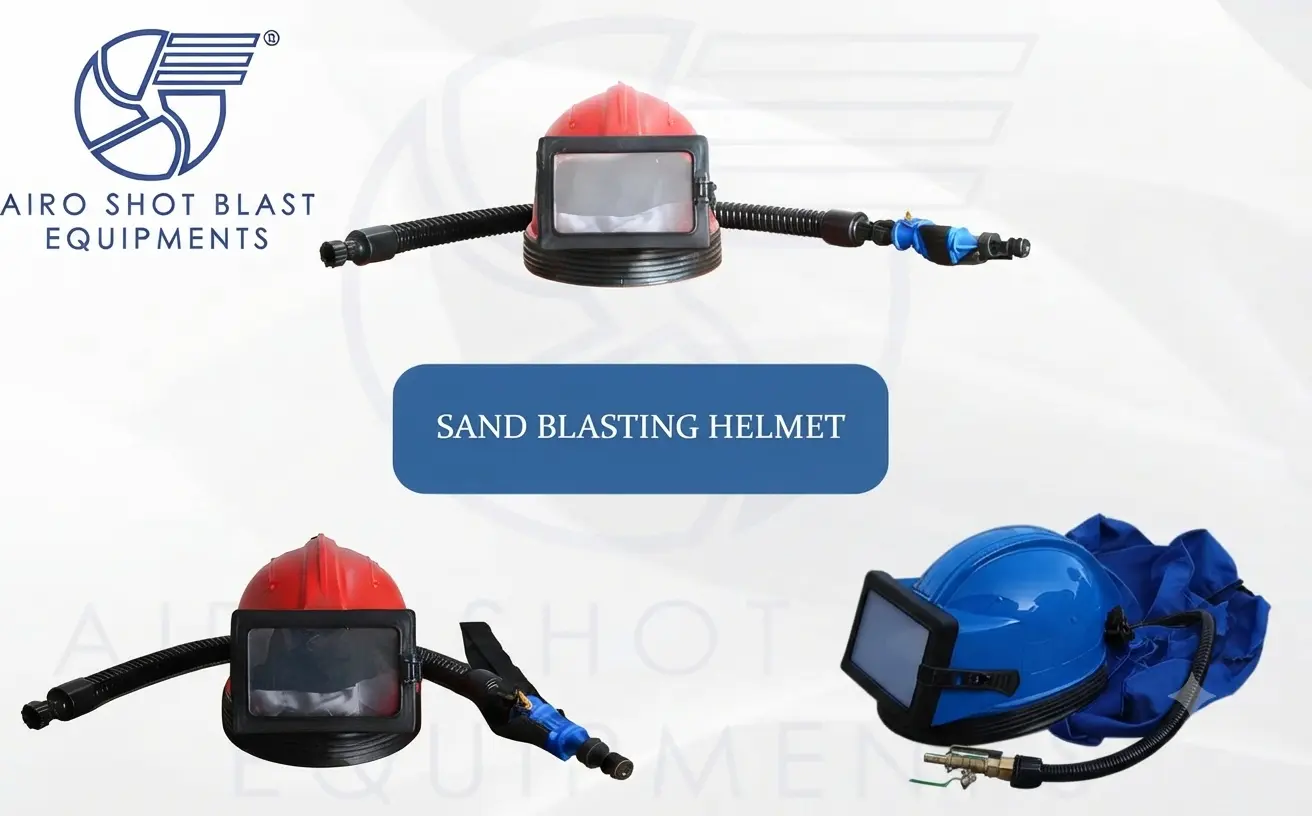
Sand Blasting Spare Parts
Sand Blasting Helmet
A sand blasting helmet is a certified air-fed protective hood that shields the operator's…
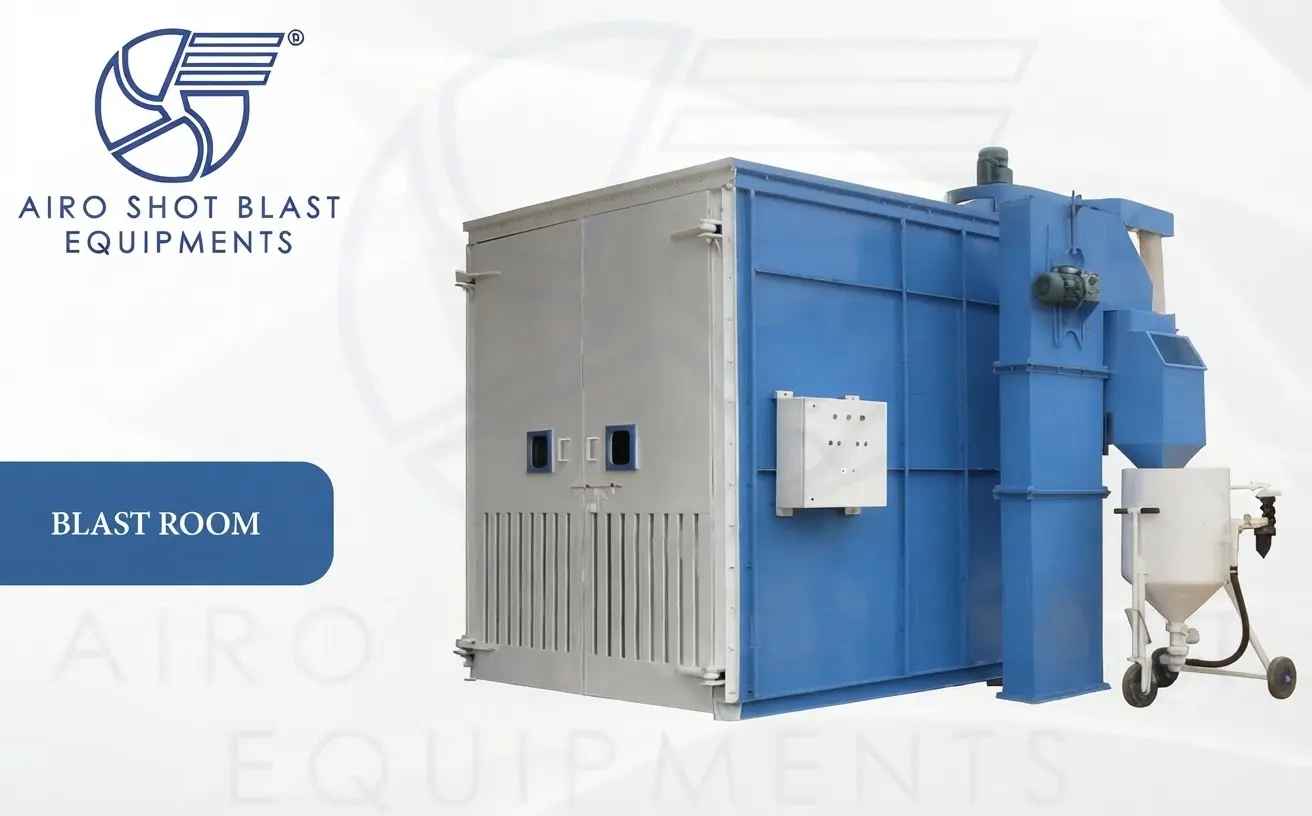
Abrasive Blasting Room
Blast Room System
Blast room system enables large-scale, contained abrasive blasting with dust collection f…
Buy / get a quote
Ready to order or need a firm price?
Share your application and quantity — we will confirm specs, delivery timeline, and commercial pricing from Jodhpur.