
Choosing the right sandblasting helmet directly affects operator safety, job efficiency, and long-term running costs. Whether you’re comparing helmet types before a purchase, ready to order, or simply researching how these helmets work, this guide covers what you need to know before buying from Airo Shot Blast.
What Is a Sandblasting Helmet?
A sandblasting helmet is personal protective equipment (PPE) designed to shield the operator’s head, face, and airway during abrasive blasting operations. Unlike a standard dust mask or safety goggles, a sandblasting helmet provides full head and neck coverage, protecting against:
- Rebounding abrasive media (sand, grit, steel shot) at high velocity
- Fine dust particles that can cause silicosis and other respiratory illness with prolonged exposure
- Excessive noise from blasting equipment
- Heat and glare during extended blasting sessions
Sand Blasting Spare Parts
Sand Blasting Helmet
ManufacturerAvailable in Stock
From ₹2,000 * https://www.airoshotblast.net/main-product/39-Sand-Blasting-Helmet
Types of Sandblasting Helmets
Not all sandblasting helmets are built the same, and the right choice depends on your application, budget, and duration of use.
1. Basic Hood-Style Helmets Lightweight, economical, and suited for occasional or light-duty blasting. These typically use a simple lens window and minimal padding. Best for small workshops with infrequent blasting jobs.
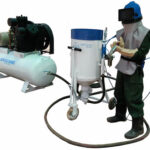
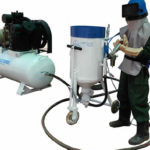
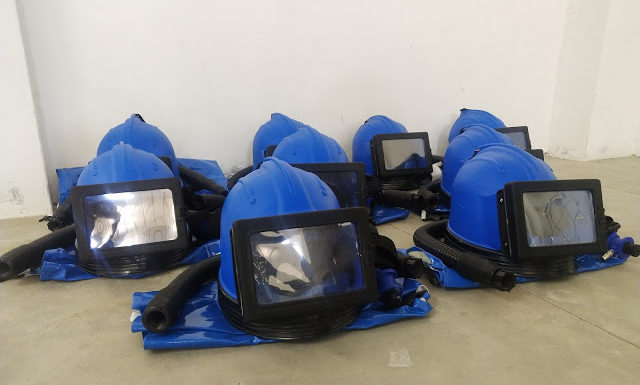
2. Supplied-Air Blast Helmets The industry standard for regular or heavy-duty use. These connect to a compressed air supply, offering continuous fresh air, better sound dampening, and extended comfort during long shifts. Recommended for foundries, shipyards, and full-time blasting operations. These helmets are commonly paired with a sand blasting machine in continuous industrial use.
3. Climate-Controlled Helmets Premium models with built-in vortex coolers or heaters, regulating air temperature inside the helmet for operators working in extreme conditions. Higher upfront cost, but reduces fatigue-related downtime significantly.
4. Helmets with Replaceable Lens Systems Designed for high-abrasion environments where the lens takes the brunt of the media impact. Quick-change lens covers reduce replacement time and keep visibility clear.
Most industrial sandblasting helmets are supplied-air helmets, meaning they connect to a compressed air source through a breathing tube, delivering clean, filtered air to the operator independent of the surrounding contaminated atmosphere. This is different from a simple respirator, which relies on filtering the ambient air rather than supplying fresh air directly.
Safety Standards & Certifications
When evaluating sandblasting helmets, check that the product meets recognized occupational safety standards for respiratory and head protection used in abrasive blasting environments. A certified helmet ensures the air supply, filtration, and structural design have been independently tested this matters both for worker safety and for regulatory compliance if you’re operating in a facility subject to safety audits. Always ask your supplier for certification documentation before purchase.
Why Choose Airo Shot Blast Sandblasting Helmets
Airo Shot Blast manufactures and exports sandblasting helmets designed for durability and ease of maintenance, alongside our full range of blasting machines and abrasive media. Key advantages of our helmets include:
- Large viewing area for better visibility and situational awareness during blasting
- Heat- and cold-resistant shell material built for durability in demanding industrial environments
- Tool-free lens replacement lens covers can be swapped quickly without needing gloves off or extra tools, minimizing downtime
- Sound-dampening construction to reduce operator fatigue from prolonged noise exposure
- Sealed cape and lens design that prevents blast media from collecting inside the hood
- Individually numbered replacement parts, so reordering the exact part you need is straightforward
- One-way breathing tube connection with an O-ring seal, preventing incorrect assembly
- Ventilated hood design that maintains airflow and keeps the operator cool during extended use
These features are engineered to reduce both the physical strain on operators and the operational downtime associated with part replacement two of the biggest hidden costs in any blasting operation. We also manufacture shot blasting machines and cabinets for operations that need heavier-duty abrasive equipment.
Pricing
Sandblasting helmet pricing varies based on type and features:
- Basic hood-style helmets: entry-level pricing, suited for light or occasional use
- Supplied-air helmets: mid-range pricing, the most common choice for regular industrial use
- Climate-controlled/premium helmets: higher investment, offset by reduced fatigue and downtime over time
For an exact quote based on your blasting frequency, environment, and air supply setup, contact our team we’ll recommend the right helmet type for your specific application rather than a one-size-fits-all option.
Get a Recommendation for Your Application
Every blasting environment is different media type, duration, and facility setup all affect which helmet makes sense. Share your application details with our engineering team for a free recommendation and pricing based on your specific needs.
