

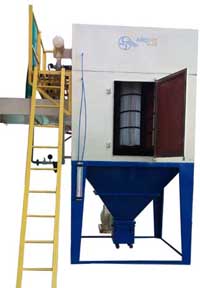
Industrial Dust Collector: Complete Guide
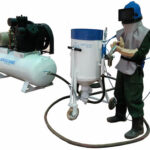
Dust is one of the biggest problems in industry. Grinding, buffing, drilling, milling, blasting and powder handling all release fine particles into the air. These particles harm workers, damage machines and reduce product quality. An industrial dust collector solves this by capturing the dust at the source and releasing clean air.
This guide explains what a dust collector is, how it works, the main types, where it is used, which filter media to choose and the key safety points. It also covers why every industry needs one. If you plan to buy a dust collector, you’ll see how to get a quote from a trusted manufacturer in Jodhpur, India.
What is a Dust Collector?
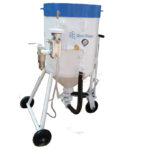
A dust collector is a machine that collects fine dust and impurities from the air or gas in industrial plants. It improves the quality of the air released back into the workplace or the environment.
Industries produce two kinds of dust. One is general dust from processes like cement, powder and bulk material handling. The other is metallic dust and chips from machining operations like grinding, buffing, drilling and milling. Both are harmful, which is why a dust collector is a basic need in factories.
How does a Dust Collector work?
- Suction: A fan draws or pushes the dusty air into the unit.
- Filtration: The air passes through a filter made of porous material such as cloth, paper or fibreglass. This filter is commonly called the net or filter media.
- Capture: Dust particles get trapped on the filter by a mechanical process, while clean air passes through.
- Release: The clean air is blown out of the unit.
- Cleaning: The collected dust is removed from the filter and drops into a hopper or bin for disposal.
In machining operations, the dust travels along with the coolant or cutting oil. The coolant or oil runs over a permeable filter, usually cloth. The metallic dust stays on the filter, and the liquid collects in the tank below. Different models and mechanisms are available for both filter types, depending on your use.
Main types of Dust Collector
- Bag filter / baghouse dust collector: Uses fabric bag dust collector to capture dust. Very common and suits heavy dust loads.
- Cartridge filter dust collector: Uses pleated cartridge filters. Compact, with high efficiency for fine dust.
- Reverse Pulse jet dust collector: A burst of compressed air cleans the filters while the machine keeps running.
- Cyclone dust collector: Uses centrifugal force to separate heavy dust. Often used as a pre-cleaner.
- Wet dust collector (scrubber): Uses water to trap dust, and is useful for certain fine and fume applications.
- Portable / mobile dust collector: A small unit that can be moved to different work points.
The right type depends on the dust, air volume and working environment.
Where are Dust Collectors used?
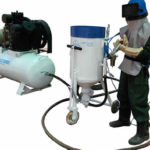
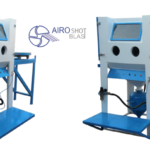
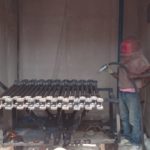
- Sandblasting, grit and shot blasting
- Cement companies
- Thermal spray booth
- Powder coating booths
- Metallurgical plants
- Bins and bucket elevators
- Petroleum coke plants
- Food processing industry
- Paper and pulp industry
- Bulk powder processing industry
What filter media should be used in a Dust Collector?
The right filter media decides how well the machine captures dust and how long the filter lasts.
- Polyester: The most common choice for dry, general dust.
- Polypropylene: Good for moist conditions and chemical resistance.
- Fibreglass: For high temperature applications.
- Paper / cellulose cartridge: Suitable for fine, dry dust such as in blasting and powder work.
- Nomex / aramid: Used where temperatures are high.
- Anti-static or oil-resistant filters: For dust that can build static or for oily dust.
Our team can help you select the right media for your dust type, temperature and moisture level.
Important safety considerations
- Wear a dust mask or respirator when emptying the collection bin or replacing filters.
- Check for combustible dust such as metal, wood or powder dust, and use anti-static filters and explosion protection where needed.
- Ground the equipment properly.
- Clean or replace filters on schedule, since a clogged filter reduces airflow and raises fire risk.
- Keep dust collectors away from spark sources and heat.
- Empty the dust bin before it overfills.
- Inspect ducts, hoses and joints for leaks regularly.
- Train staff on safe operation and maintenance.
Why do industries need a Dust Collector?
- It improves health and safety. Air filled with dirt, dust, chemicals or gases harms the lungs of anyone who breathes it. Dust also collects on or near equipment and creates a serious fire hazard. An industrial dust collector, such as a bag filter dust collector or cartridge dust collector, removes these contaminants and makes the workplace safer.
- Metallic dust from machining causes extra harm. Inhaled metal dust can damage the lungs and respiratory system, and can lead to serious disease. Metal particles can also cut and irritate the skin. Dust also makes the workplace warmer and the work more uncomfortable. A portable dust collector or dust extraction system placed near grinding, buffing and drilling points captures this dust at the source.
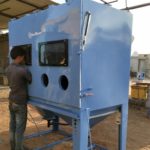
- It increases productivity. Dust that settles on machines can get inside and interfere with the mechanics. This slows the machines and leads to breakdowns and repairs. A pulse jet dust collector reduces this risk and keeps cleaning its own filters while running, so your machines and your sandblasting cabinet or shot blasting machine work at their best.
- It improves product quality. Dust, smoke and fumes in the air settle on products during manufacturing and lower the quality of the finished product. A dust collector keeps them away. In powder coating booths and thermal spray booths, this improves the finish, which improves quality and customer satisfaction.
- It helps you meet compliance rules. There are many laws on workplace safety and air quality. Poor air quality can cost you in fines and in damage to your factory and employees. A cyclone dust collector or wet dust collector helps you comply with government regulations.
- It keeps employees happier. Poor air quality makes employees unhappy and often makes them leave. High turnover is costly. Clean air improves morale and helps you retain good people.
Dust Collector manufacturer in Jodhpur, India
Airoshot Blast is a leading manufacturer of industrial dust collectors, sand blasting machines, sandblasting cabinets, shot blasting machines, grit blasting machines and peening machines in Jodhpur, India. The price depends on the air volume, type and size of the unit. We offer competitive prices, custom designs and dependable after-sales support, and we export to many countries.
Want a price or a custom dust collector? Share your application, dust type and air volume with Airoshot Blast, and we’ll recommend the right dust collector and send you a quote.

1 thought on “Dust Collector latest price for sale”