
Applications and Uses of a Sandblasting Machine
Sandblasting is one of the most widely used surface treatment methods in industry, yet many buyers and operators only learn how it works after they have already invested in equipment. Knowing what a sandblasting machine does, where it is used and how to run it properly saves time, money and rework. Whether you own a workshop, manage a fabrication unit or work directly with blasting, this guide covers the essentials. At Airoshot Blast, a manufacturer, supplier and exporter of blasting equipment in Jodhpur, India, we build sandblasting machines for a wide range of applications. Here is what you need to know about uses, advantages, equipment types, abrasives, industries and safety.
What Is a Sandblasting Machine?
A sandblasting machine is a piece of equipment that uses compressed air to drive abrasive media at high speed against a surface. The impact cleans the surface, removes unwanted material and prepares it for whatever comes next. It is commonly used to remove old paint, rust, scale and other contaminants from metal.
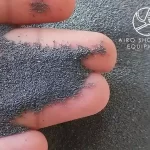
The name is historical. Today the abrasive is not always sand, and the term covers any media propelled by compressed air, such as glass beads, aluminium oxide, steel grit and baking soda. Among the different abrasive cleaning methods, sandblasting is one of the most effective for metal surfaces, which is why it is considered essential before coating or painting any metal structure. Cleaning and profiling the surface first helps prevent damage and gives coatings a firm base to bond with.
How Does a Sandblasting Machine Work?
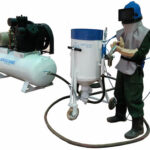
The principle is simple. Abrasive media is stored in a pressure vessel, often called a blast pot. Compressed air pushes the abrasive through a hose and out of a nozzle at high velocity. When it strikes the surface, it chips away paint, rust and contamination and leaves a clean, evenly textured finish.
The key parts of the system are:
- Air supply: A compressor delivers dry, steady compressed air.
- Blast pot: Holds the abrasive and meters it into the air stream.
- Hose and fittings: Carry the mixture to the work area.
- Nozzle: Shapes and directs the blast stream. A quality sand blasting nozzle gives a consistent pattern and lasts longer.
- Operator controls: Let the operator adjust pressure and abrasive flow to suit the job.
Main Types of Sandblasting Machines
Different jobs call for different machines.
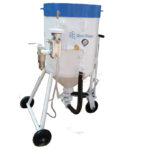
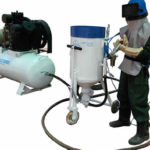
- Portable sandblasting machines: Pressure pot units that can be moved to the job. They are ideal for on site work on large structures, vehicles and pipes.
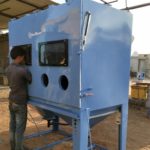
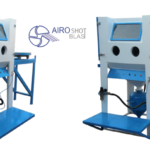
- Grit Blast cabinets: Enclosed units for cleaning small and medium parts in a controlled, tidy way.
- Blast rooms: Large enclosures with abrasive recovery, built for high productivity and consistent results.
- Grit blasting: Designed for aggressive cleaning and heavy rust removal.
- Shot blasting machines: Wheel based systems that suit larger, heavier and high volume work.
Uses and Advantages of a Sandblasting Machine
A sandblasting machine is useful because it does several jobs with one process.
- Paint and rust removal: It strips old paint, rust and scale quickly from metal surfaces. For heavy rust on large structures, a portable grit blasting machine works well on-site.
- Surface smoothing and shaping: It can smooth rough or sharp surfaces and lightly shape small parts. Small components are easiest to handle inside a shot blasting cabinet, which keeps the blast controlled and the area clean.
- Restoration: Old, discoloured or worn items can be cleaned and made to look new again. For bulk batches of small parts, a tumblast shot blasting machine cleans many pieces in a single cycle.
- Protection and durability: Cleaning metal pipes, furniture and fittings and then coating them helps them last longer. For long-lasting corrosion protection, a metal coating applied with a thermal spray gun or metalizing gun goes a step beyond paint.
- Reach: The blast stream gets into corners and recessed areas that are hard to clean by hand. A blasting hose and nozzle set with the right length and bore makes it easier to reach awkward spots.
- Preparation for finishing: It prepares surfaces for painting, coating, polishing and other finishing steps. A dust collector removes fine dust after blasting, so the surface is clean before the next stage.
- Speed and efficiency: It is much faster than sandpaper or wire brushing, especially on large areas. A steady supply of dry air from an air compressor and moisture separator keeps the blasting speed consistent.
- Simple operation: The basic setup is straightforward compared with many other industrial processes, though trained operators still get the best results. A blasting helmet and blasting suit keep operators safe while they work.
Where Are Sandblasting Machines Used?
Sandblasting machines are used across many industries and everyday jobs.
- Paint and rust removal: on vehicles, machinery, gates, tanks and steel structures. Large tanks and structures are often blasted inside a sand blasting chamber or with a pressure blast pot for steady, even coverage.
- Shipbuilding and marine work: for hull and plate preparation. Plates and sections are usually cleaned in a blast room, followed by a protective coat from an arc spray gun.
- Infrastructure and construction: for bridges, steel frames and railings. Coating the cleaned steel in a zinc spray booth adds long-term corrosion protection.
- Automotive: for restoring bodies and cleaning components. Smaller parts such as brackets and wheels are handled in a sandblasting cabinet, and fresh paint can then be applied in a paint booth.
- Shaping small parts: where controlled blasting refines edges and surfaces. Finished parts can also go through a vibratory finishing machine for a smooth, uniform look.
- Tool cleaning: to remove rust and residue from workshop tools. A sandblasting hopper is a handy, low-cost option for regular tool cleaning.
- Art and design: including glass etching and decorative surface work. Fine work like this needs a steady hand and blasting gloves for operator comfort and safety.
- Street and surface cleaning: for removing graffiti, stains and buildup from hard surfaces. Large outdoor jobs run better with an abrasive recovery system that collects used media.
6. What Abrasive Should Be Used?
The abrasive decides the finish, so choose it for the material and the result you want.
- Aluminium oxide: Hard and sharp, good for fast cutting on tough surfaces.
- Steel grit: Angular and aggressive, ideal for heavy rust and a rougher profile that coatings grip well.
- Steel shot: Rounded and durable, used mainly in wheel-blast systems.
- Glass beads: Gentler, leaving a smooth satin finish.
- Baking soda: The softest option, for delicate surfaces.
Important Safety Considerations
Sandblasting is powerful, so safety matters.
- Operator protection: Use a blasting helmet with fresh air supply, gloves, a suit and safety footwear. Never breathe blasting dust.
- Dust control: Work in a ventilated or enclosed area with proper extraction so dust does not spread.
- Old coatings: Paint on older objects can contain harmful substances such as lead, so handle and dispose of waste carefully. Collect it with a vacuum recovery system instead of sweeping, so no dust gets stirred up again.
- Pressure control: Too much pressure or a nozzle held too close can damage thin or delicate surfaces.
- Equipment checks: Inspect hoses, couplings and nozzles regularly, since a failure under pressure is dangerous.
- Trained operators: Only trained people should run blasting equipment.
Get the Right Sandblasting Machine from Airo Shot Blast
Choosing the right machine depends on your parts, volume and budget. Our team will recommend a configuration that fits. See our product list for the full range, or request a quote and we will reply with a configuration and price. You can also call us on +91-9119207701.
