



HVOF reaches for High Velocity Oxygen Fuel, and from its name, it is easy to understand that this thermal spray process has to do with using fluid materials at a high speed on substrates. HVOF thermal spray can supply many different coating properties for applications across different industries, and thHVOF Gun: Working, Types, Applications and Price in India
The HVOF thermal spray gun process has become one of the most trusted methods for creating dense, hard wearing coatings on metal surfaces. Introduced in the 1980s, it opened up applications that were once out of reach for conventional thermal spray. If you are looking to extend the life of shafts, rollers, screws or valves, this guide explains what an HVOF gun is, how it works, which types are available, where it is used and which abrasive you need for surface preparation. It also covers what to know before you buy an HVOF gun in India.
What Is an HVOF Gun?
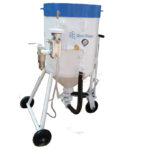
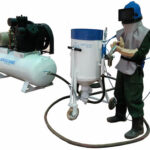
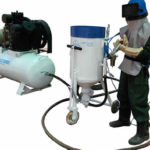
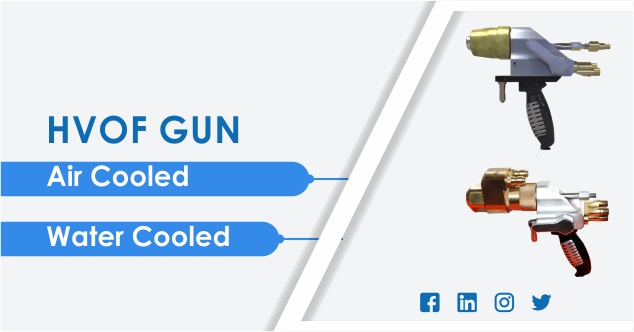
An HVOF gun is a thermal spray gun that heats coating powder and propels it at supersonic speed onto a prepared surface. The particles hit the surface at very high velocity and form a dense, tightly bonded coating. Because the coating depends on a clean, roughened base, the component is usually prepared first in a sandblasting machine or grit blasting machine.
HVOF is the preferred method for spraying wear-resistant and corrosion-resistant materials such as tungsten carbide powder, along with alloys like Hastelloy, Tribaloy and Inconel. These materials are applied with thermal spray equipment designed for high velocity coating. The coatings offer:
- High bond strength
- Fine as sprayed surface finish
- Very low oxide content
- Excellent resistance to abrasion, erosion and corrosion
How Does an HVOF Gun Work?
The process runs in four steps:
- Gas supply: Fuel gas (such as hydrogen) and oxygen, or air, are fed into the combustion chamber of the HVOF gun at high pressure through a gas flow control unit with regulators and hoses.
- Combustion: The mixture is ignited, and the hot gases expand through the HVOF nozzle at supersonic speed.
- Powder injection: Coating powder, such as tungsten carbide powder, is introduced into the flame from a powder feeder, where it is heated and accelerated to near supersonic velocity.
- Deposition: The particles strike the component and build up a dense, uniform layer. The result is a hard, wear resistant coating created with thermal spray equipment.
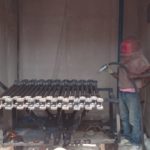
Because the particles travel so fast, they spend less time in the flame. This keeps oxidation low and gives a harder, denser coating than conventional flame spray. Before spraying, the component must be properly cleaned and roughened with a grit blasting machine, since coating adhesion depends heavily on surface preparation.
Main Types of HVOF Guns
HVOF guns are usually classified by the fuel they use and how the material is fed:
- Gas fuel HVOF guns: These run on hydrogen, propylene or propane with oxygen. They give high flame temperatures and are well suited to carbide and alloy powders. A gas flow control unit helps keep the fuel and oxygen ratio stable.
- Liquid fuel HVOF guns: These use kerosene with oxygen. They produce very high particle velocities and extremely dense coatings, and are common in heavy industrial work with a liquid fuel HVOF spray gun.
- Powder fed HVOF guns: These are the most common type, used with a powder feeder for tungsten carbide powder, chromium carbide powder and nickel-based alloy powders.
- Wire fed HVOF guns: These use pneumatic wire feeding and are suited to iron based and similar wire materials. They are often paired with a thermal spray wire.
Typical specification (wire-fed model):
| Parameter | Specification |
|---|---|
| Material | Iron |
| Air Pressure | 70–100 psi |
| Nozzle Size | 3.15 mm |
| Wire Feeding | Pneumatic |
Where Are HVOF Guns Used?
HVOF coating is used wherever components face heavy wear, erosion or corrosion:
- Power plants (boiler parts, fans, conveyor screws)
- Oil and gas (valves, pumps, drilling components)
- Aerospace and aviation (landing gear, turbine parts)
- Steel and paper mills (rolls and shafts)
- Hydraulic cylinders and rods
- Mining and cement industries
Real world example: A power plant used carbon steel conveyor screws to move limestone into its boilers. The abrasive limestone wore the screws out, so they had to be repaired or replaced every year. A thin layer of tungsten carbide was applied to the shaft and flights using an HVOF system. This repair increased the service life of the screw considerably and cut the plant’s maintenance cost.
What Abrasive Should Be Used?
HVOF coatings only bond well to a clean, rough surface, so blasting before spraying is essential. The abrasive you choose matters:
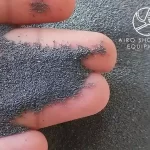
- Aluminium oxide (brown or white): The most widely recommended abrasive for thermal spray preparation. It is hard, angular and gives a consistent surface profile.
- Chilled iron grit or steel grit: Suitable for heavy steel components where a deeper profile is needed.
- Silicon carbide: Used for very hard base materials.
Avoid round abrasives such as steel shot or glass beads, because they peen the surface instead of roughening it, and the coating will not adhere properly. Use clean, dry, angular abrasive and spray soon after blasting, ideally within a few hours, before the surface oxidises. A well matched sandblasting machine or shot blasting machine and the correct abrasive size give the best coating life.
Important Safety Considerations
HVOF spraying involves high pressure gases, intense heat, fine powders and very loud noise. Following proper safety practices protects your operators and your equipment.
Personal protective equipment (PPE)
- Wear a respirator or an air fed blasting helmet approved for fine metal dust and fumes. Carbide and alloy powders should never be inhaled.
- Use hearing protection. HVOF guns are extremely loud, often above safe exposure limits without ear defenders.
- Wear heat resistant sandblasting hand gloves, flame retardant blasting suits, safety boots and tinted eye protection against bright flame and flying particles.
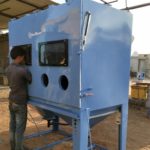
- For surface preparation before spraying, use a certified sandblasting helmet along with a grit blasting machine or blasting cabinet, so that dust and abrasive stay controlled.
- Keep a dust collector running in the work area to keep the air clean and visibility good.
Gas and fire safety
- Check hoses, regulators and fittings for leaks before every use, and use flashback arrestors.
- Fuel gases such as hydrogen, propylene and propane are highly flammable. Store cylinders upright, secured and away from heat sources.
- Keep suitable fire extinguishers nearby and keep oxygen away from oil and grease.
Spray booth and ventilation
- Spray only in a ventilated, sound insulated booth with a proper dust collection and filtration system.
- Use a ventilation system with cartridge filters dust collector and replace the filters on schedule to keep the air clean.
- Keep unauthorised people out of the spray area while the gun is running.
Surface preparation safety
- Blasting before coating creates a lot of dust. Use a sand blasting cabinet or dust collector and wear a certified blasting helmet.
- Do not use abrasives containing free silica. Choose safer options such as aluminium oxide.
Equipment and operator practices
- Only trained operators should run an HVOF gun, following the manufacturer’s air pressure and gas flow settings on the gas flow control unit and air pressure regulator, to get a consistent HVOF thermal spray coating.
- Never point the gun at a person, and shut off the gases fully when you stop spraying.
- Inspect nozzles and hoses regularly, and replace worn parts promptly.
- Keep Safety Data Sheets (SDS) for all powders and gases available on site.
Good safety habits also improve coating quality and extend the life of your equipment.
Looking to Buy an HVOF Gun?
Whether you need an HVOF gun, thermal spray equipment or a shot blasting machine for surface preparation, our team can guide you on the right setup for your application. Contact us today for the latest HVOF gun price in India and a customised quotation.
